
Design Incubation Colloquium 6.2: CAA 2020 Conference Chicago

Presentations and discussion in Research and Scholarship in Communication Design at the 108th Annual CAA Conference 2020 in Chicago.

Design Incubation Colloquium 6.2: CAA 2020 Chicago
Friday, February 14, 2020

Two colloquia will be presented at the 108th Annual CAA Conference, hosted by CAA Affiliated Society, Design Incubation.

Research in Communication Design. Presentation of unique, significant creative work, design education, practice of design, case studies, contemporary practice, new technologies, methods, and design research. A moderated discussion will follow the series of presentations.

The colloquium session is open to all conference attendees.

Design Intervention and Engagement: Design Incubation Colloquium 6.2

There is a presumed canon of visual communication design, one that includes its history, theory, practice, and even the interpretation of its global impact. While it is convenient to take this canon at face value, there are alternative lenses through which we can view the field. In order to continue advancing the discipline in equitable ways, to be inclusive and engage with a variety of practitioners and users, it is important to consider a multitude of alternative viewpoints. Interventions in our attitudes happen in many ways—from envisioning how design alters the world, to methods we use to interpret design in new contexts. This panel will explore such critical interventions, uncovering new ways to re-engage with design education, design practice, and design communities.

Friday, February 14, 2020
8:30 AM – 10:00 AM
Hilton Chicago – Lower Level – Salon C-1

Co-Chairs

Heather Quinn
Assistant Professor
DePaul University

Nathan Matteson
Assistant Professor
DePaul University

PRESENTATIONS

Four Counter-Narratives for Graphic Design History
Augusta Rose Toppins
Associate Professor
University of Tennessee at Chattanooga

Women’s Vote 2020: A Case Study in Civic Design
Kelly Salchow MacArthur
Associate Professor
Michigan State University

Lost on the Trail: Investigating Hiking Wayfinding and Trail Navigation within the National Parks
Sara Mitschke
Graduate Teaching Assistant
Texas State University

Strategy + Creative: Cross-Disciplinary Collaboration
Kathy Mueller
Assistant Professor
Temple University

Jennifer Freeman
Assistant Professor of Instruction
Temple University

Hierarchical Space: How the Use of Space Creates Bias
Katherine Krcmarik
Assistant Professor
University of Nebraska–Lincoln

Technological Frontiers: Design Incubation Colloquium 6.2

Recent advances in technology and improvements of accessibility allow designers to deliver meaningful experiences to broad populations of ages, cultures, abilities, etc.—those who have previously been isolated from the discourse. These rapid changes in technology have also changed the landscape of design practice (for both better and worse) creating the conditions for more collaborative and multi-disciplinary teams who leverage these new or improved tools. This panel will address research projects working at the edge of contemporary technology, across disciplines, and within emerging disciplines. They leverage technological innovation to address issues of representation and access.

Friday, February 14, 2020
4:00 PM – 5:30 PM
Hilton Chicago – Lower Level – Salon C-1

Co-Chairs

Alex Girard
Assistant Professor
Southern Connecticut State University

Dan Wong
Associate Professor
New York City College of Technology, CUNY

PRESENTATIONS

The Fusion of Art, Science and Technology
Min Kyong Pak
Assistant Professor
University of Southern Indiana

Chicago Design Milestones
Sharon Oiga
Associate Professor
University of Illinois at Chicago

Guy Villa Jr.
Assistant Professor
Columbia College

Daria Tsoupikova
Associate Professor
University of Illinois at Chicago

Interactive Game Design: Sisters Are Doin’ It for Themselves
Leigh Hughes
Assistant Professor
Coastal Carolina University

Design Delight: A Framework For The Analysis And Generation Of Pleasurable Designs
Omar Sosa-Tzec
Assistant Professor
University of Michigan

Critical Visual Analysis of Graphic Expressions of Emotions Over Time
Ann McDonald
Associate Professor
Northeastern University

A Peace of Mind: Design Research for Pervasive Healthcare
Hyuna Park
Assistant Professor
University of Kansas

Designing for the Visually Impaired
Min Choi
Adjunct Professor
San Diego State University
San Diego City College

Colloquium 7.1: Oakland University, Call for Submissions

Call for design research abstracts. Deadline: Saturday, June 20, 2020.

Submission Deadline:
Saturday, June 20, 2020.

Event date: Saturday, October 17, 2020.

This has been reformatted to be a virtual event.

Oakland University
Department of Art and Art History
310 Wilson Hall 
Rochester, MI 48309

Design Incubation Colloquium 7.1 (#DI2020oct) will be held at the Department of Art and Art History at Oakland University on Saturday, October 17, 2020, 10:30am-4:30pm. Hosted by Maria Smith Bohannon. This event is open to all interested in Communication Design research.

We invite designers—practitioners and educators—to submit abstracts of design research. We recommend reviewing our white paper on best practices for writing an academic research abstract.

Presentations format is Pecha Kucha.

For more details, see the colloquia details and description. Abstracts can be submitted online for peer review.

Robin Landa Nominated for Board of Directors CAA: Please Vote for Her Today!

Robin Landa, Distinguished Professor, Michael Graves College, Kean University and Chair, Director of Community Outreach at Design Incubation has been nominated for the Board of Directors of College Art Association (CAA). Please join us in congratulating her for the nomination and vote for her today! She is the only design scholar candidate for this prestigious position.

Puerto Rico 2054: Design Pedagogy in a Time of Crisis

Jury Commendation for Diversity, Equity, and Inclusion

Maria Mater O’Neil, Adjunct Professor, Interamerican University, Fajardo Campus & University of Puerto Rico (Rio Piedras and Carolina Campus)

Lesley Ann Noel, Professor of Practice in Design Thinking, Tulane University

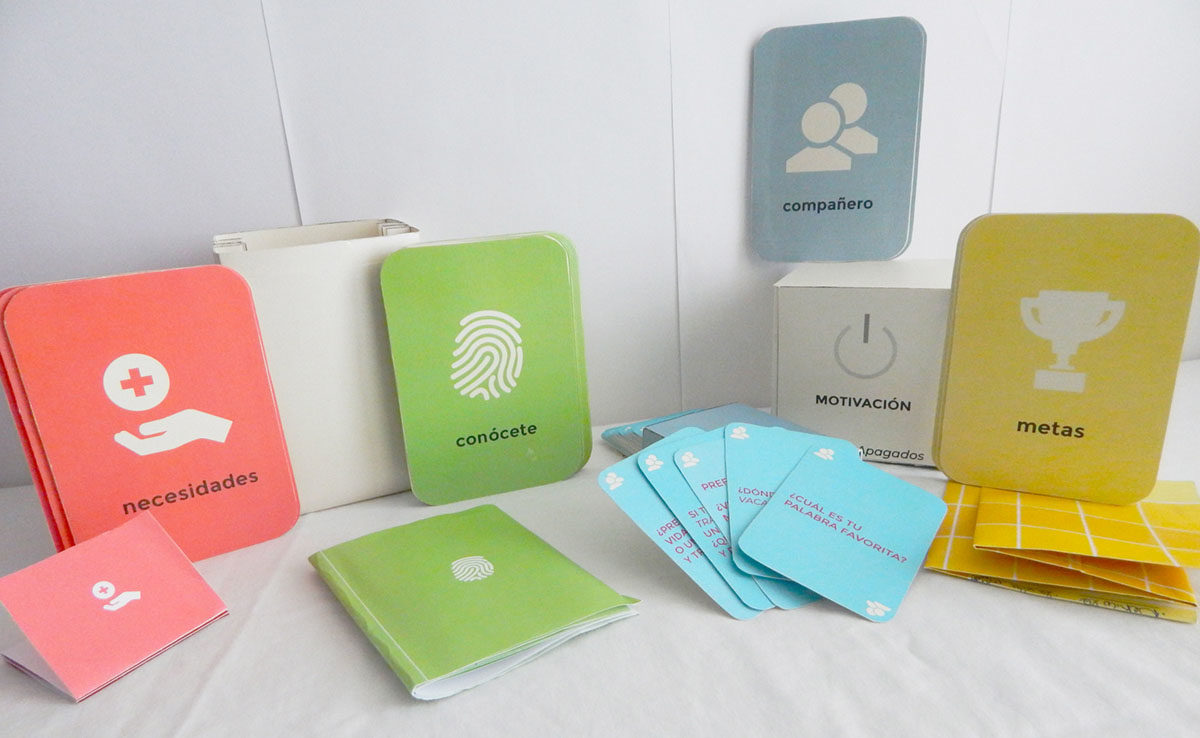
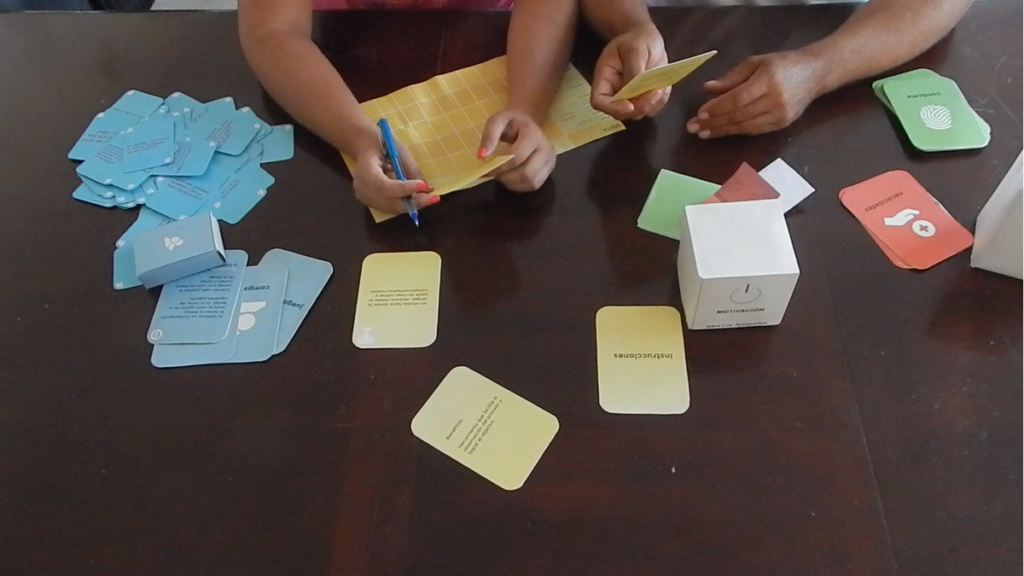
This article describes the conversation and process between two Caribbean design educators, one from Puerto Rico, and one from Trinidad and Tobago, as they co-developed an appropriate design class for students who were experiencing a catastrophic event. The curriculum built on a design curriculum, developed by the latter for children in a rural village in the English-speaking Caribbean that focussed on promoting equity and empowerment through reflections and critical discussions by the participants. The curriculum was adapted by the former, using her resilience thinking toolbox with her undergraduate students in Puerto Rico in the wake of Hurricane María. The aim of the curriculum was to help the Puerto Rican communication design students move beyond merely coping with the impact of the natural disaster, to action and thriving through design. Students were led through several design stages that included reflections, critical discussions, brainstorming around future utopian or dystopian scenarios and proposing solutions. The students were expected to focus on a Puerto Rico in the year 2054 as a strategy of resistance visualization. In this paper, the authors describe the four phases of implementation of the curriculum, as well as the reflections of the students and their own reflections on the collaborative process and its significance.

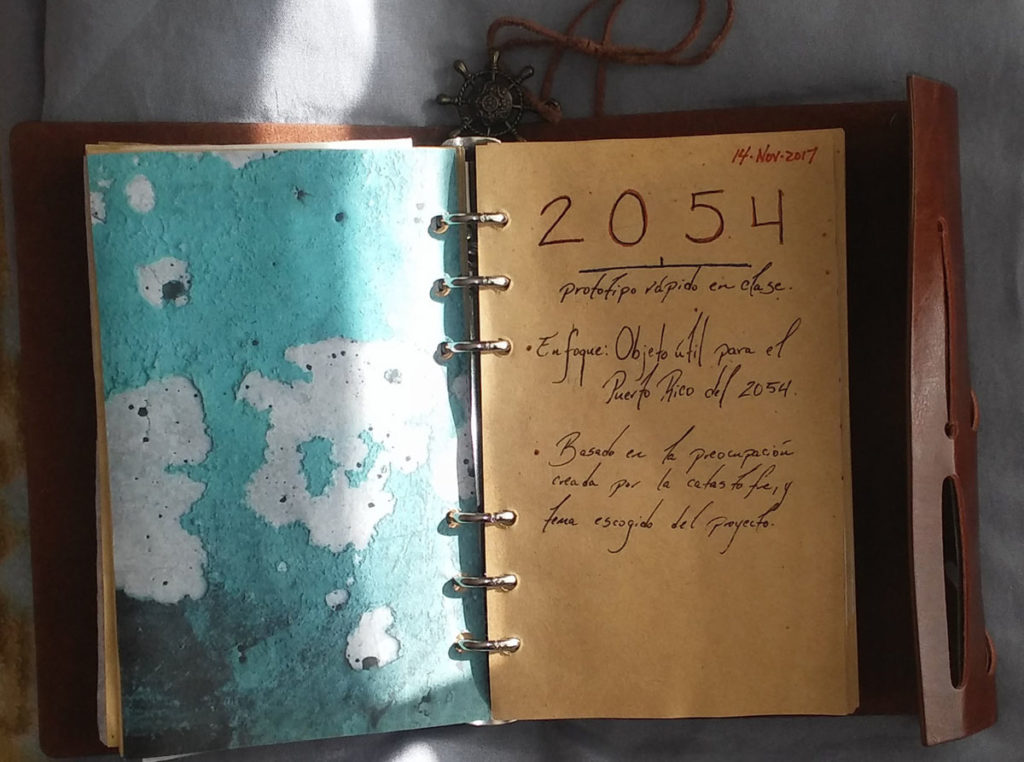
Featured work by students Yamilex Rodriguez Mojica, Adriana Guardiola, Kathia Carrion. The majority of photos should be credited to Yamilex Rodriguez Mojica from the project Apagados. The notebook and photo by the waterfront is is part of her preliminary work. Adriana’s project was a visualization kit for creating small scale models of possible reuse of fallen trees. Kathia’s project was an ‘Emotional regulator’ a folding poster with different lists of hurricane preparedness tasks. It is meant to be used for families and groups, so tasks can be assigned to each member. 

Dr. María de Mater O’Neill is the Head Researcher and Creative Director of Rubberband Design Studio, LLP and a Fulbright Specialist Roster candidate. She is the recipient of a Round Four of the Presidential Design’s Federal Design Achievement Award for Catalog Design (United States), and II Iberoamerican Design Biennal’s BID Prize for Exhibition Design (Spain). Her practice-based doctoral research initiative “Developing Methods of Resilience for Design Practice” is a design model intended to improve real-time resilience thinking for designers working under a variety of types of economic and socio-cultural stressors. O’Neill is a cultural producer; last project was research and exhibition of participatory and community design in Puerto Rico. “Listening to their Voices” research was published in Dialectic (2018, Michigan Publishing) and the project won an honorary award from the 15th Biennial of Architecture in Puerto Rico.

Dr. Lesley Anne Noel is Associate Director for Design Thinking for Social Innovation and a Professor of Practice in Design Thinking at the Tayloe Center for Social Innovation and Design Thinking at Tulane University. In 2018–2019 she was a Teaching Fellow / Lecturer at d.school and Center for Ocean Solutions at Stanford University. She has a Bacharelado (equivalent to bachelor’s degree) in Industrial Design from Universidade Federal do Paraná and a Master’s degree in Business Administration from the University of the West Indies. She completed her doctoral studies in Design at North Carolina State University.

Recipient of recognition in the Design Incubation Communication Design Awards 2019.


Decipher 2018

Service Award Runner Up

Kelly Murdoch-Kitt, Assistant Professor, University of Michigan
Omar Sosa-Tzec, Assistant Professor, University of Michigan

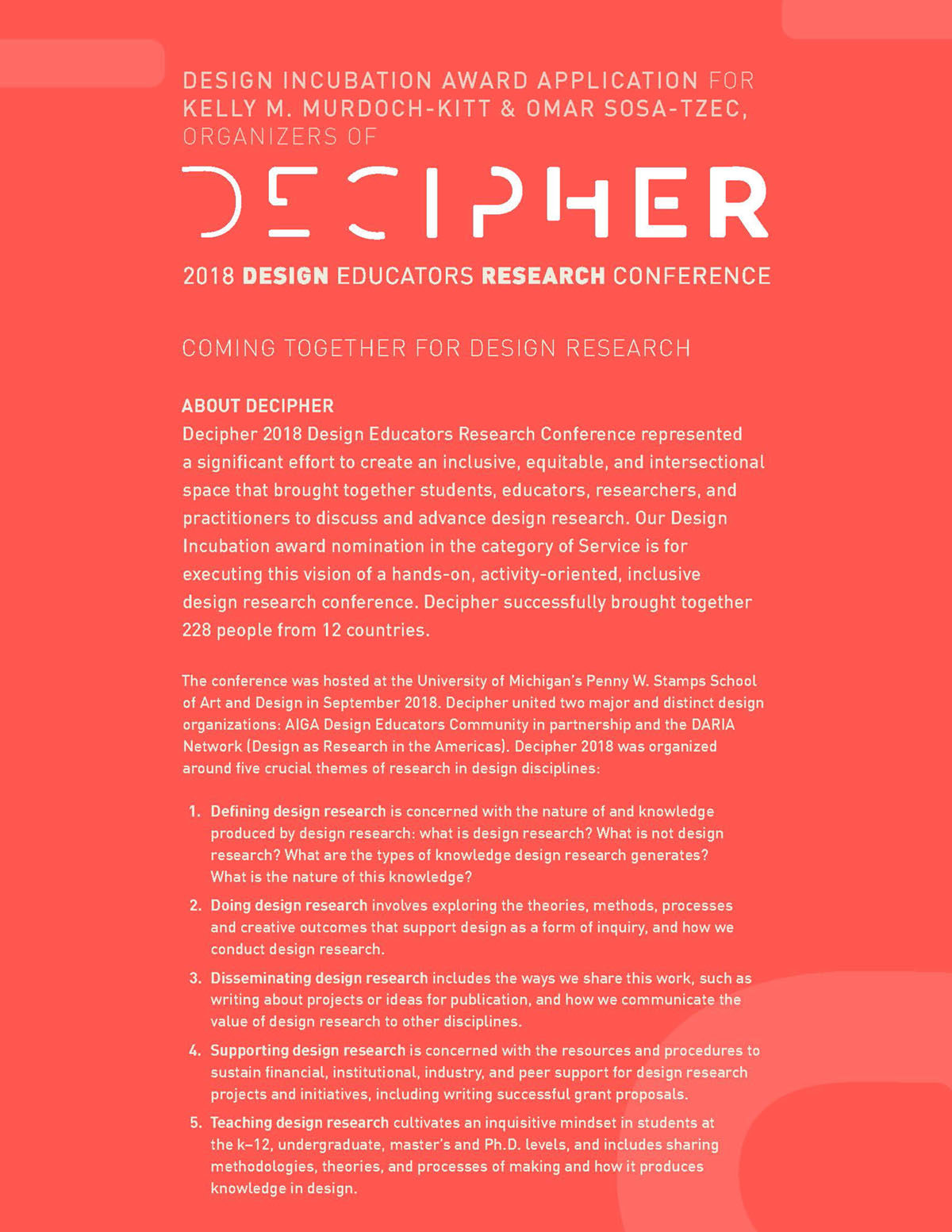
Decipher 2018 Design Educators Research Conference represented a significant effort to create an inclusive, equitable, and intersectional space that brought together students, educators, researchers, and practitioners to discuss and advance design research. Our nomination in the category of Service is for executing this vision of a hands-on, activity-oriented, inclusive design research conference. Decipher successfully brought together 228 people from 12 countries.

The conference was hosted at the University of Michigan’s Penny W. Stamps School of Art and Design in September 2018. Decipher united two major and distinct design organizations: AIGA Design Educators Community in partnership and the DARIA Network (Design as Research in the Americas). Decipher 2018 was organized around five crucial themes of defining, doing, disseminating, supporting and teaching research in design disciplines.

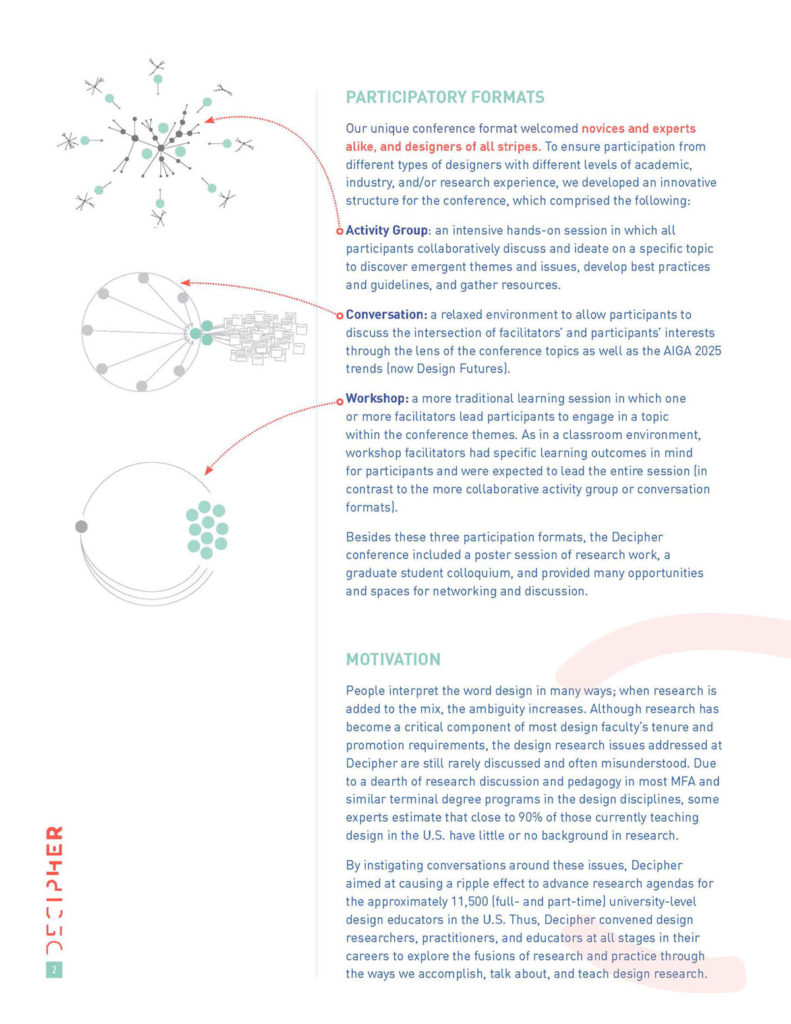
To ensure participation from different types of designers with different levels of academic, industry, and/or research experience, we developed an innovative structure for the conference, which comprised the following modalities:

Activity Group: an intensive hands-on session in which all participants collaboratively discuss and ideate on a specific topic to discover emergent themes and issues, develop best practices and guidelines, and gather resources.

Conversation: a relaxed environment to allow participants to discuss the intersection of facilitators’ and participants’ interests through the lens of the conference topics as well as the AIGA 2025 trends (now Design Futures).

Workshop: a more traditional learning session in which one or more facilitators lead participants to engage in a topic within the conference themes. As in a classroom environment, workshop facilitators had specific learning outcomes in mind for participants and were expected to lead the entire session (in contrast to the more collaborative activity group or conversation formats).

Besides these three participation modalities, the Decipher conference included a poster session of research work, a graduate student colloquium, and provided several spaces for networking and discussion.

*Motivation*

People interpret the word design in many ways; when research is added to the mix, the ambiguity increases. Although research has become a critical component of most design faculty’s tenure and promotion requirements, the design research issues addressed at Decipher are still rarely discussed and often misunderstood. Due to a dearth of research discussion and pedagogy in most MFA and similar terminal degree programs in the design disciplines, some experts estimate that close to 90% of those currently teaching design in the U.S. have little or no background in research.

By instigating conversations around these issues, Decipher aimed at causing a ripple effect to advance research agendas for the approximately 11,500 (full- and part-time) university-level design educators in the U.S. Thus, Decipher convened design researchers, practitioners, and educators at all stages in their careers to explore the fusions of research and practice through the ways we accomplish, talk about, and teach design research.

*An Inclusive Submission Process*

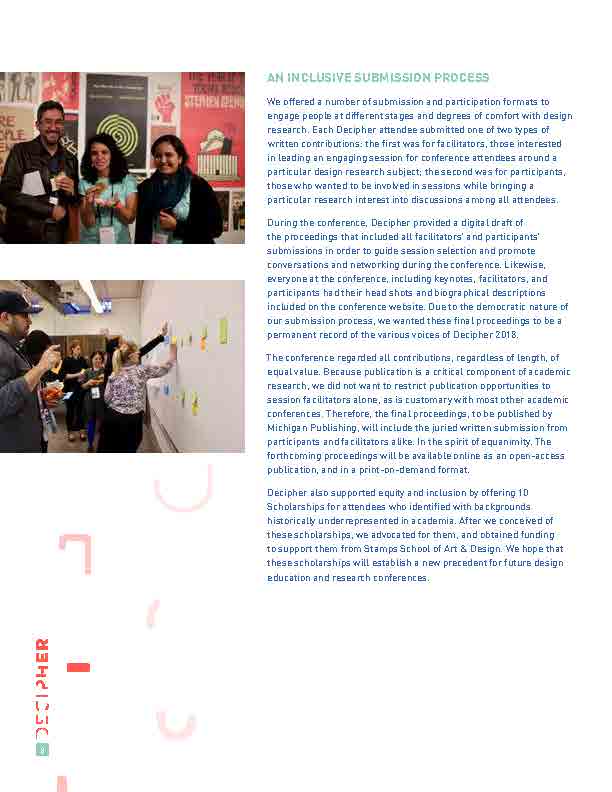
We offered a number of submission and participation formats to engage people at different stages and degrees of comfort with design research. Each Decipher attendee submitted one of two types of written contributions: the first was for facilitators, those interested in leading an engaging session for conference attendees around a particular design research subject; the second was for participants, those who wanted to be involved in sessions while bringing a particular research interest into discussions among all attendees.

During the conference, Decipher provided a digital draft of the proceedings that included all facilitators’ and participants’ submissions in order to guide session selection and promote conversations and networking during the conference. Likewise, everyone at the conference, including keynotes, facilitators, and participants had their headshots and biographical descriptions included on the conference website. Due to the democratic nature of our submission process, we wanted these final proceedings to be a permanent record of the various voices of Decipher 2018.

The conference regarded all contributions, regardless of length, of equal value. Because publication is a critical component of academic research, we did not want to restrict publication opportunities to session facilitators alone, as is customary with most other academic conferences. Therefore, the final proceedings, to be published by Michigan Publishing, will include the juried written submission from participants and facilitators alike. In the spirit of equanimity. The forthcoming proceedings will be available online as an open-access publication, and in a print-on-demand format.

Decipher also supported equity and inclusion by offering 10 Scholarships for attendees who identified with backgrounds historically underrepresented in academia. After we conceived of these scholarships, we advocated for them, and obtained funding to support them from Stamps School of Art & Design. We hope that these scholarships will establish a new precedent for future design education and research conferences.

*What we accomplished*

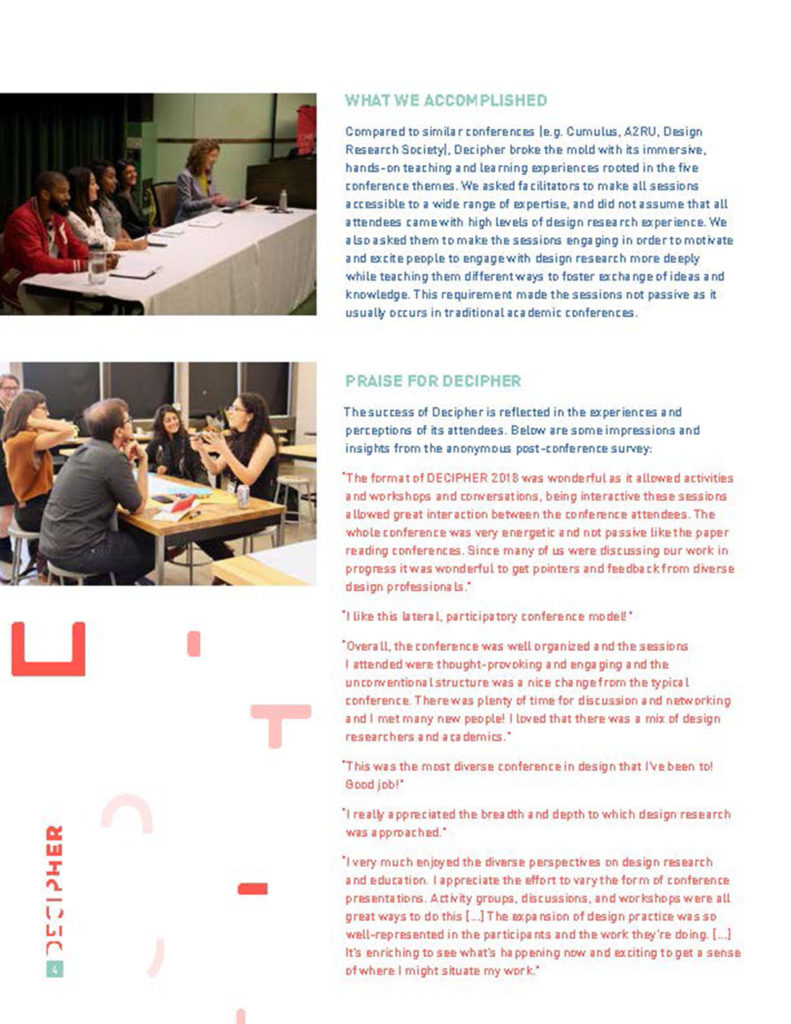
Compared to similar conferences (e.g. Cumulus, A2RU, Design Research Society), Decipher broke the mold with its immersive, hands-on teaching and learning experiences rooted in the five conference themes. We asked facilitators to make all sessions accessible to a wide range of expertise, and did not assume that all attendees came with high levels of design research experience. We also asked them to make the sessions engaging in order to motivate and excite people to engage with design research more deeply while teaching them different ways to foster exchange of ideas and knowledge. This requirement made the sessions not passive as it usually occurs in traditional academic conferences.

Our PDF expands on this overview and includes images and links to additional supporting resources, such as an outcomes video documenting the attendee experience.

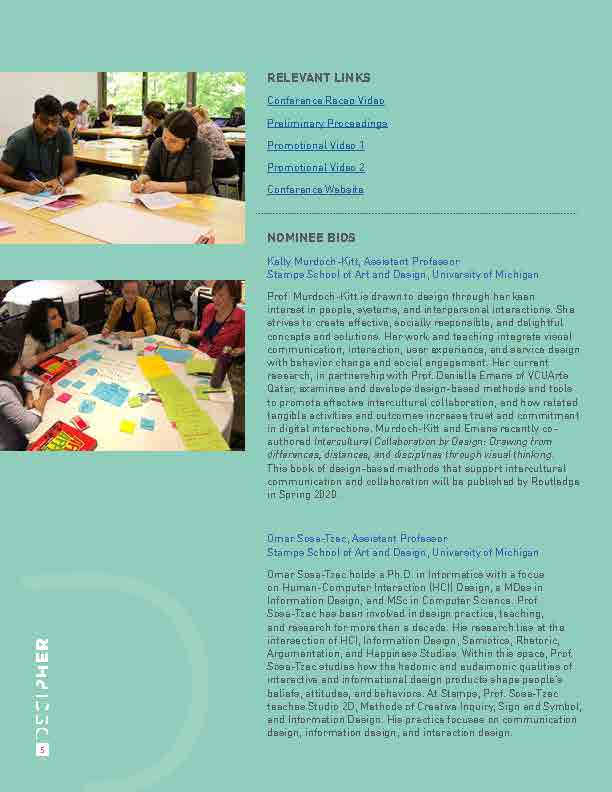
Kelly Murdoch-Kitt, Assistant Professor, Stamps School of Art and Design, University of Michigan

Prof. Murdoch-Kitt is drawn to design through her keen interest in people, systems, and interpersonal interactions. She strives to create effective, socially responsible, and delightful concepts and solutions. Her work and teaching integrate visual communication, interaction, user experience, and service design with behavior change and social engagement. Her current research, in partnership with Prof. Denielle Emans of VCU School of the Arts Qatar, examines and develops design-based methods and tools to promote effective intercultural collaboration, and how related tangible activities and outcomes increase trust and commitment in digital interactions. Murdoch-Kitt and Emans recently coauthored Intercultural Collaboration by Design: Drawing from differences, distances, and disciplines through visual thinking. This book of design-based methods that support intercultural communication and collaboration will be published by Routledge in Spring 2020.

Omar Sosa-Tzec, Assistant Professor, Stamps School of Art and Design, University of Michigan

Omar Sosa-Tzec holds a Ph.D. in Informatics with a focus on Human-Computer Interaction (HCI) Design, a MDes in Information Design, and MSc in Computer Science. Prof. Sosa-Tzec has been involved in design practice, teaching, and research for more than a decade. His research lies at the intersection of HCI, Information Design, Semiotics, Rhetoric, Argumentation, and Happiness Studies. Within this space, Prof. Sosa-Tzec studies how the hedonic and eudaimonic qualities of interactive and informational design products shape people’s beliefs, attitudes, and behaviors. At Stamps, Prof. Sosa-Tzec teaches Studio 2D, Methods of Creative Inquiry, Sign and Symbol, and Information Design. His practice focuses on communication design, information design, and interaction design.

Recipient of recognition in the Design Incubation Communication Design Awards 2019.

Cocktails Against Cancer

Service Award Winner

Katherine Mueller, Assistant Professor, Temple University

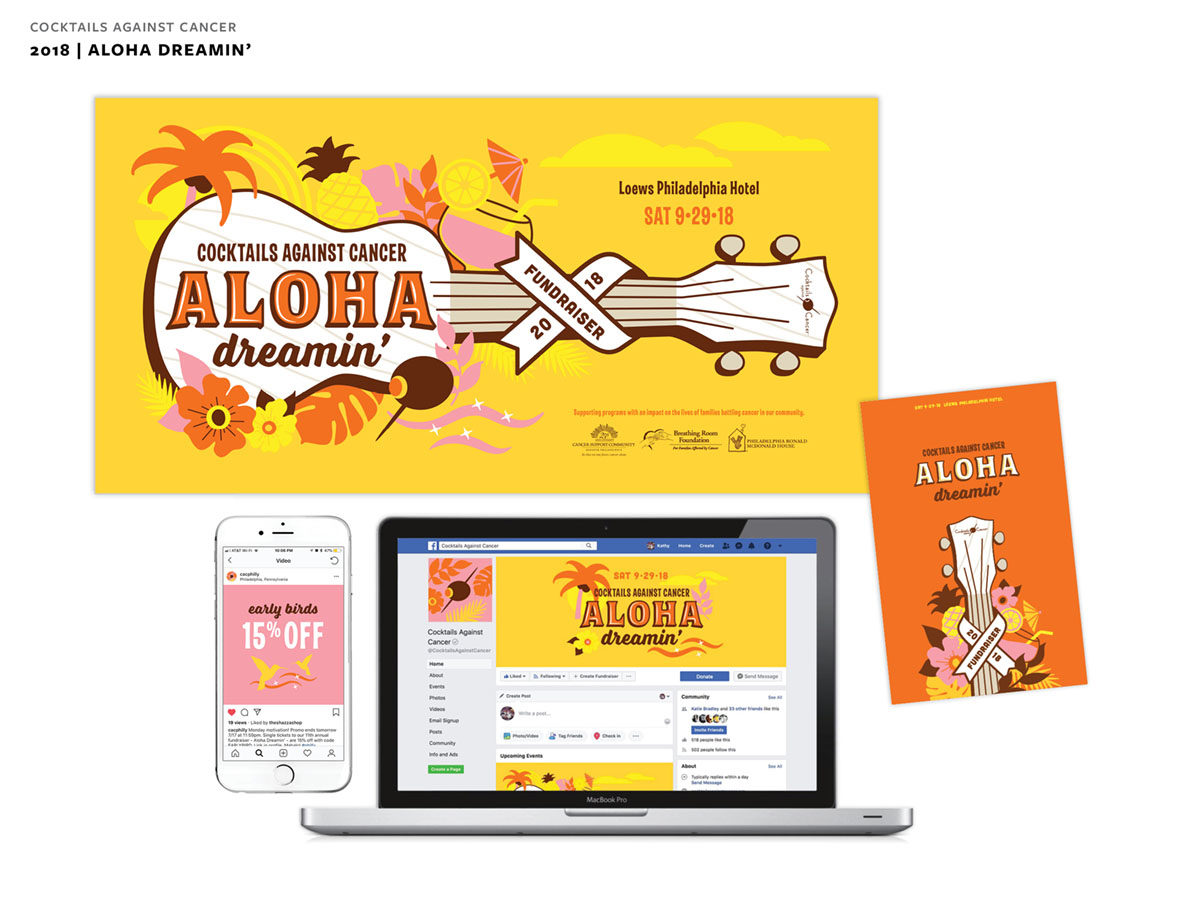
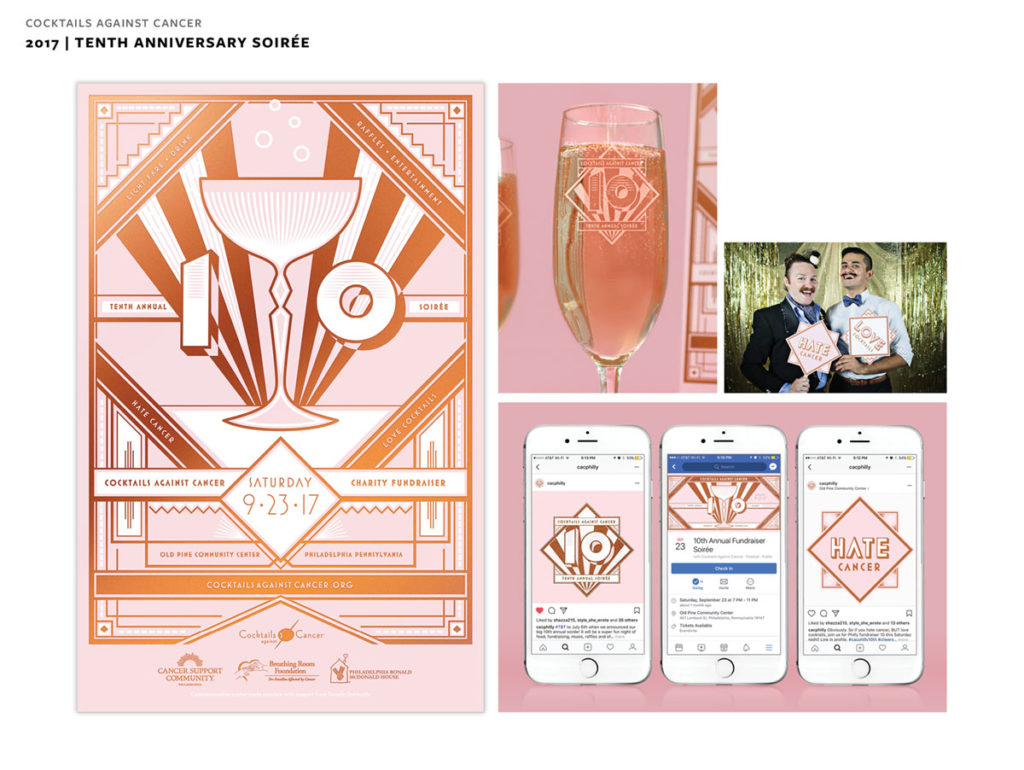
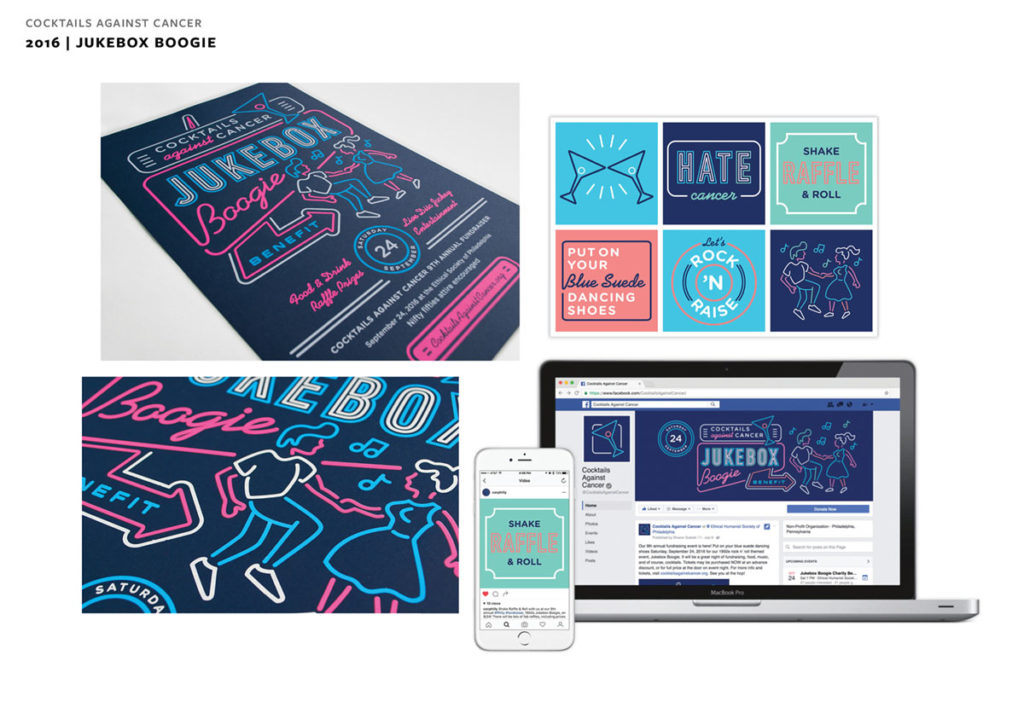
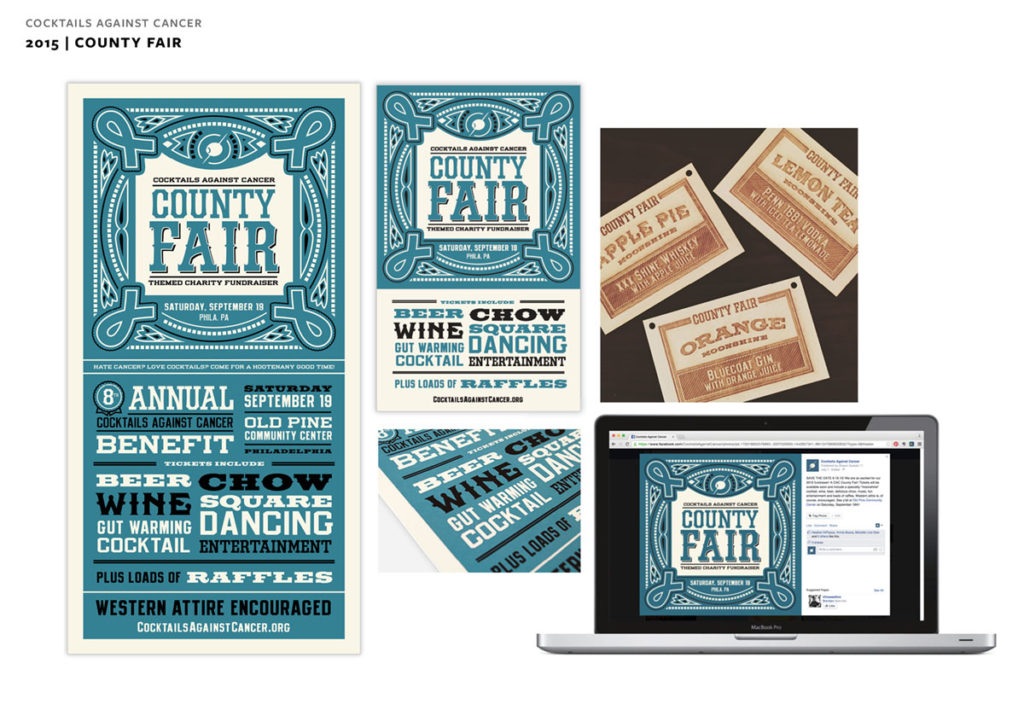
I have volunteered my time and provided pro bono creative services since 2014 to Cocktails Against Cancer, a 501(c)3 organization that raises money to benefit quality-of-life programs for people battling cancer in the region. Each year I create a unique identity and promotional campaign for the annual event. The project generates awareness of the charity event, promotes ticket sales, and otherwise supports fund raising efforts. The scope of the project includes event naming, identity design, poster, flyer, webpage, organic and paid social media, press kit, sponsorship kit, program booklet, event signage, and various event decorative elements.

The significance of my impact may be judged by the many ways the event has thrived since I became involved. Attendance has increased by 45% since I assumed my role as creative director in 2014. Alongside my fellow board members, I have helped to elevate the event from a simple community center gymnasium, to the premier Loew’s Philadelphia Hotel, where it is held today. During this period, we have raised almost $70k for our beneficiaries.

Our efforts have an impact at the individual level in our community. The mission of the organization is to support quality-of-life programs for people and families battling cancer in the region. Raised funds are donated to three beneficiaries. At Philadelphia Ronald McDonald House, every $500 sends a child with cancer to camp for a week; Our funds help provide healthy living classes and counseling programs at Cancer Support Community of Greater Philadelphia; And through Breathing Room Foundation, our funds help families pay their everyday bills, such as groceries and utilities.

The work I’ve produced for this annual project has been repeatedly peer reviewed and recognized for its importance and excellence. This body of work has garnered 14 juried awards, including a How International Design Award and Graphis Design Awards. Posters from the campaigns have exhibited internationally in juried exhibitions, showing in Italy, Spain, Netherlands, India, China, and the U.S. Most recently a poster showed in the AIGA Philadelphia Design Awards Exhibition. Alina Wheeler wrote a 400+ word case study on Cocktails Against Cancer for the current edition of her book, Designing Brand Identity: An Essential Guide for the Whole Branding Team, a best selling global resource for branding. In 2017, the branding project was awarded a grant from Temple University.

I am incredibly proud of this body of work, and the impact it has had. I am pleased to model for my students a productive pro bono relationship that includes both creative satisfaction and social impact. I am honored that Noopur Agarwal nominated the project for a Communication Design Educator Award in the category of service. Thank you to the jury for your time and consideration.

Kathy Mueller is an Assistant Professor at Temple University Klein College of Media & Communication, where she teaches courses related to art direction. She is an active member of the design community in Philadelphia and sustains an award-winning creative practice. She has volunteered on various committees with AIGA Philadelphia, and served a two-year term on the board as Programming Chair. Most recently she was a 2019 Design Incubation Fellow. She holds a MFA graphic and interactive design from Tyler School of Art & Architecture. Kathy’s creative work has been recognized in the ADC Annual, TDC Annual, How International, Print Regional, and appeared in Harper Design, Wiley, How Books, and Rockport publications.
Recipient of recognition in the Design Incubation Communication Design Awards 2019.

Woodhill Homes―Design for Experience

Teaching Award Runner Up

Woodhill Homes Needs Assessment
Introduction and Bird’s Eye View Summary of Results

In early 2018, Cuyahoga Metropolitan Housing Authority (CMHA) was awarded a Choice Neighborhoods Initiative (CNI) planning grant to begin a two-year planning process at Woodhill Homes. While the Woodhill homes neighbored world-class institutions, the poverty rate for this specific community was four times that of the rest of the region. Not to mention the housing renovations for residents were outdated and insufficient. As a part of this process, a needs assessment was conducted. We were asked to address specific pain points in the resident (user) experience by Utilizing customer empathy, experience mapping, and other Design Research methods.

Student Learning Goals and objectives: 

  • Gain valuable insights into the principles, constructs, and application of Human-Centered Design (HCD) and Design Thinking (DT)
  • Hands-on practice applying DT, HCD and competitive analysis to your course project
  • Through user, research and analysis create user personas and user journey maps
  • Conduct a thorough task analysis and define an actionable platform strategy for your product and service
  • Prototyping your product and service
  • Conduct usability testing—working with test subjects, analyzing test results, making improvements, and planning future testing
  • Create a visually appealing and portfolio-ready presentation

Project Goals and objectives – Inspired by the needs assessment

  • Use design thinking to create a prototype that will facilitate central points of community interaction.
  • Find a solution that will encourage literacy among pre-school age children, as well as kindergarten readiness.
  • Find methods that could improve communication and relationships between Property Managers, Police officers, and Residents.

Research Findings and results

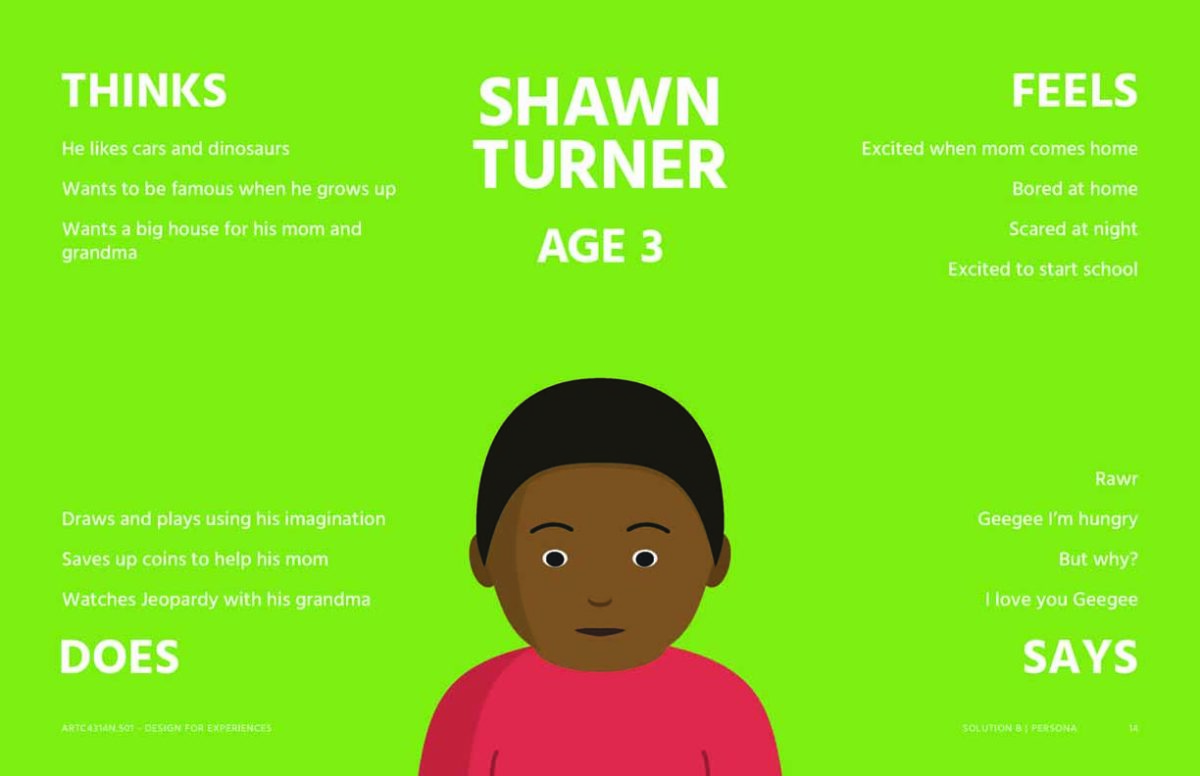
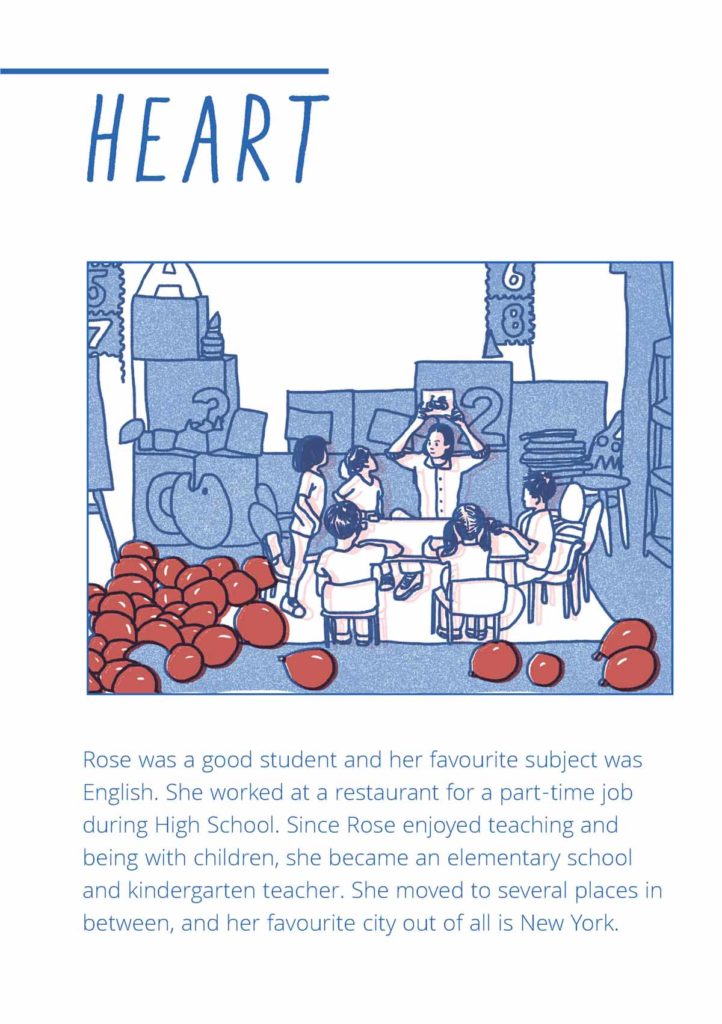
The ethnographic study showcased that residents lacked a comfortable central location to assemble. Having a location resident could come to dialogue was a high priority, especially for elderly residents. A chair was designed for residents to shit, which would carry the community brand. The back of each care would also function as a communication piece, highlighting community events/priorities from property managers, Introductions to local officers, as well as a surveying system where residents would get a better opportunity to communicate — their experiences.

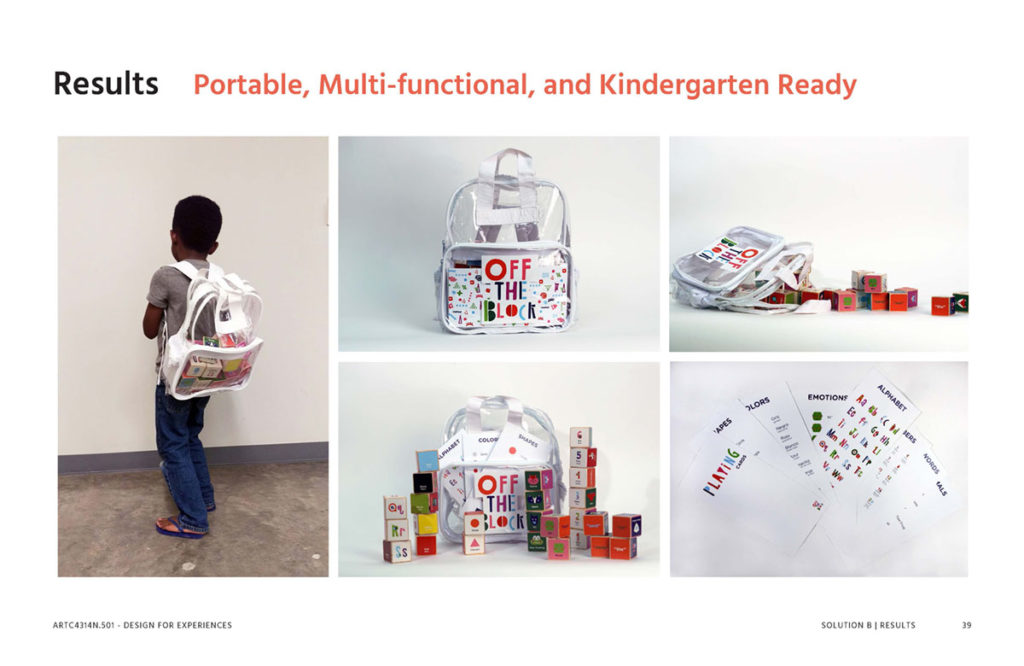
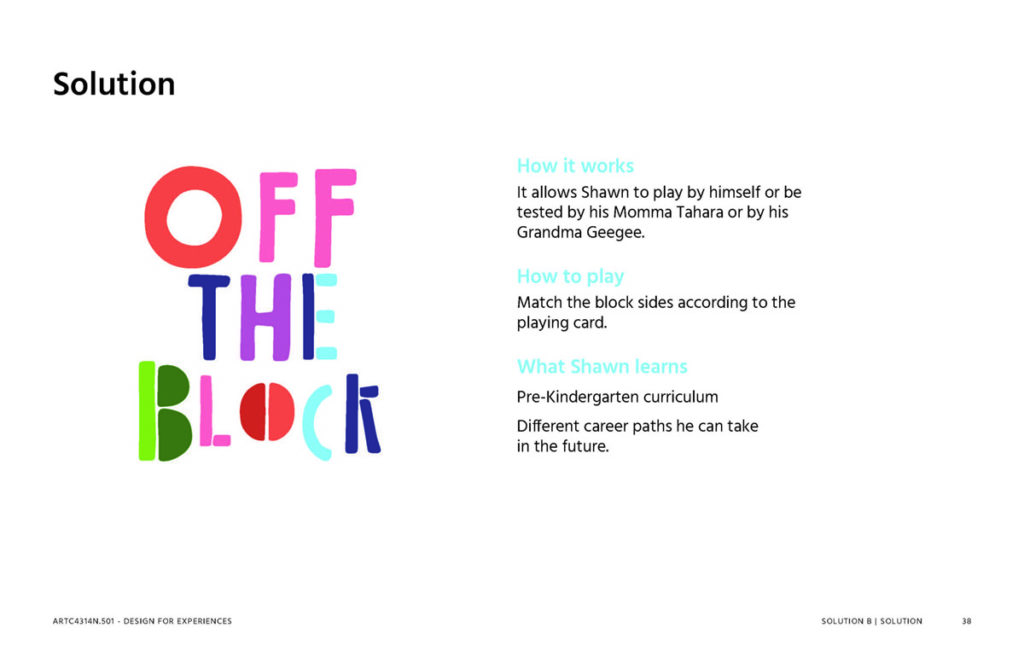
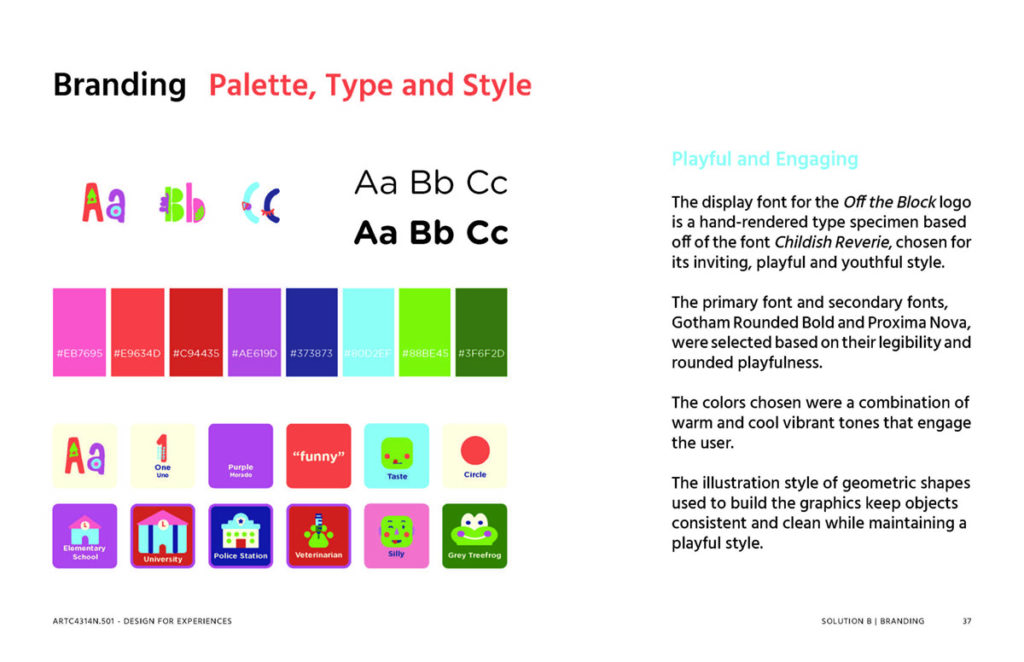
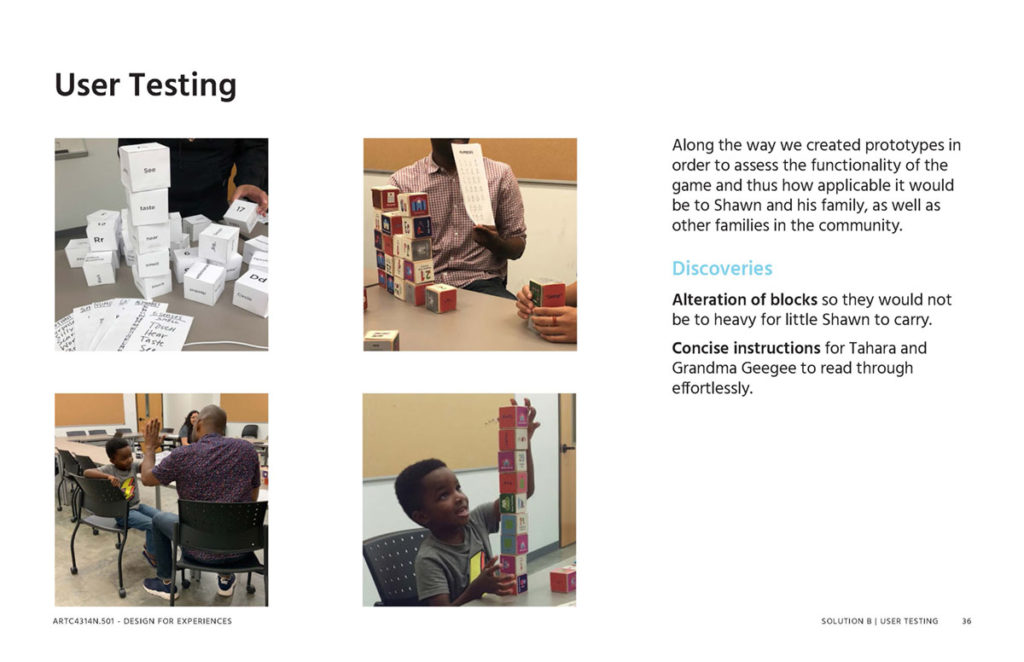
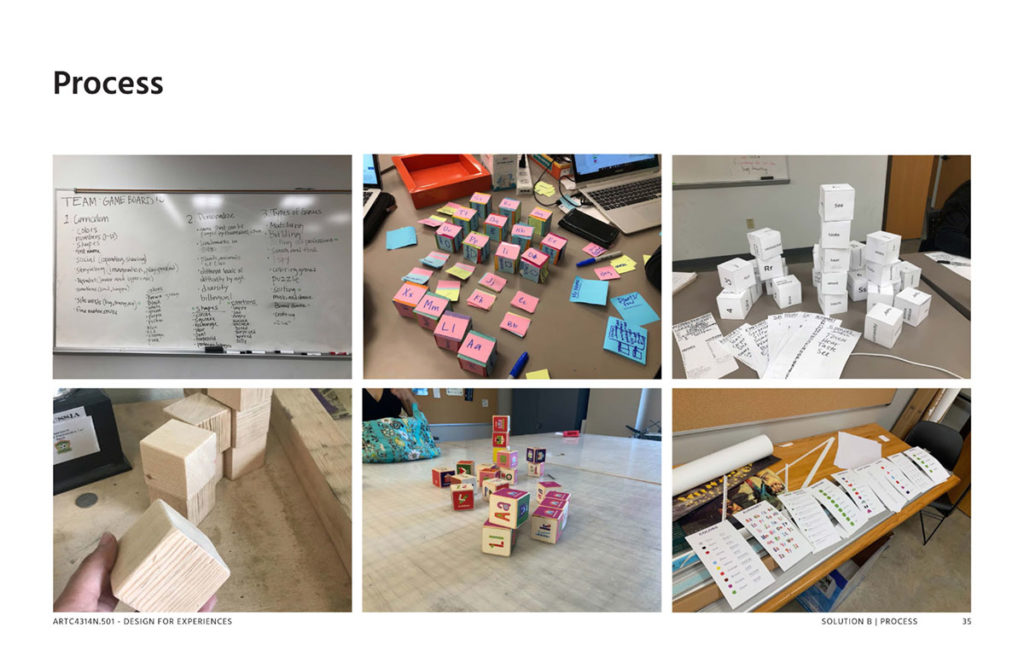
School readiness was also voiced as a priority in the resident needs assessment. A game was created, which could be played between parent and child to improve age-appropriate literacy. While prototyping this game, education models from three states, including Ohio, were used to measure outcomes. These measured outcomes were used as a rubric to measure the effectiveness of the game during user testing.

The final results were then presented to stakeholders at CMHA, and aspects of our proposals will be submitted to HUD as a part of the Choice Neighborhoods Initiative (CNI) planning grant.

Omari Souza is a design researcher whose work focuses on the intersection of African American history and Advertising. He teaches design research methods at Texas State University, while also advocating for design for social good.

Recipient of recognition in the Design Incubation Communication Design Awards 2019.

Perspectives Vancouver

Teaching Award Winner

Jonathan Hannan, Assistant Professor, Emily Carr University of Art + Design

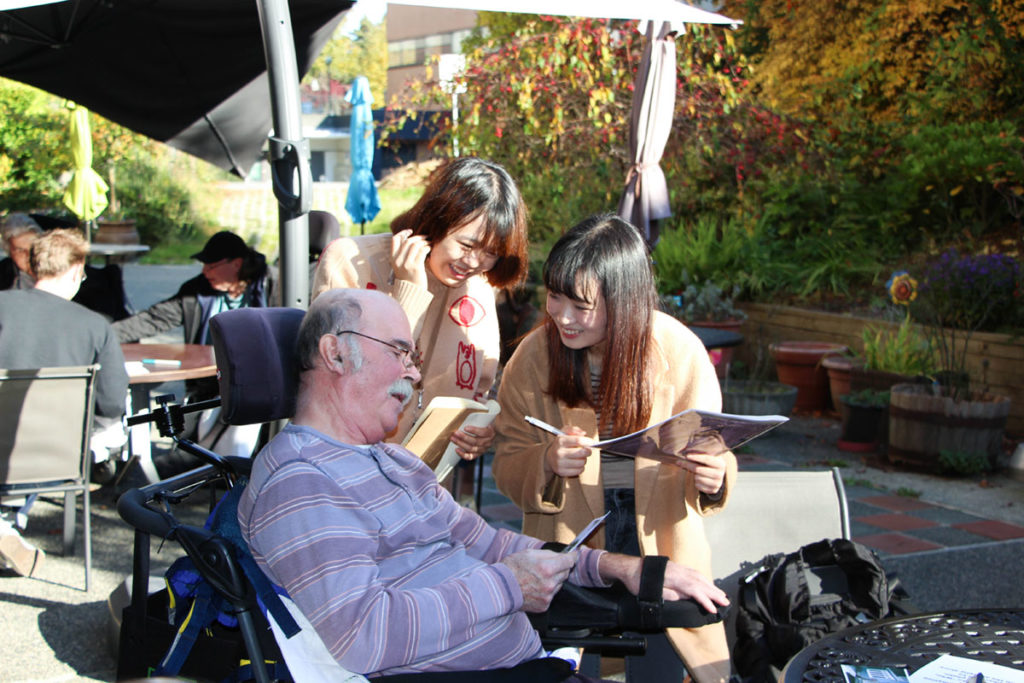
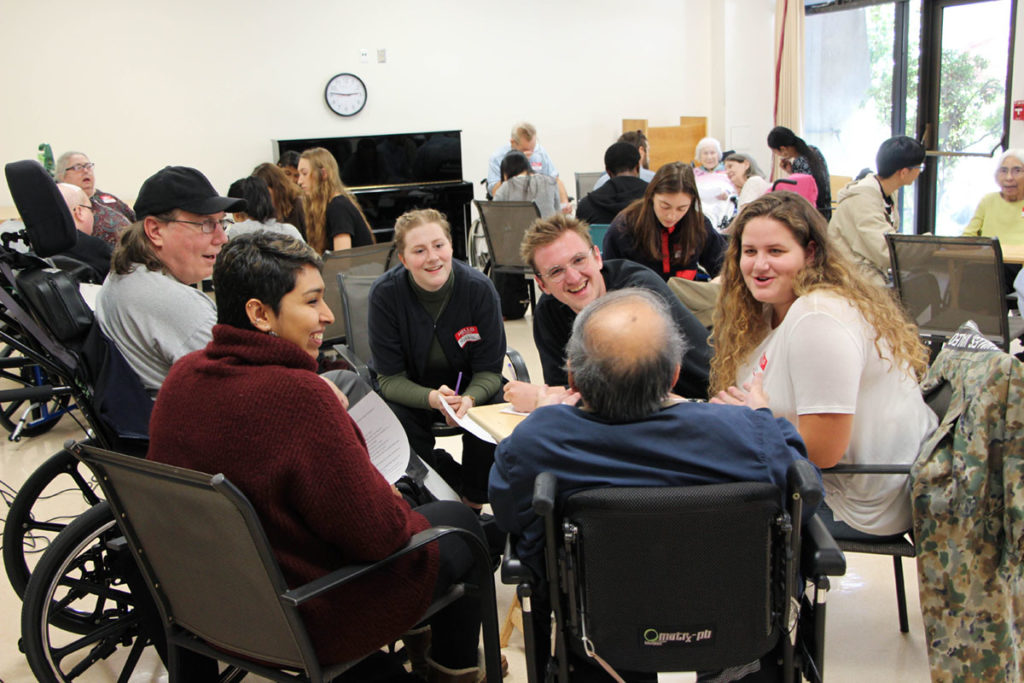
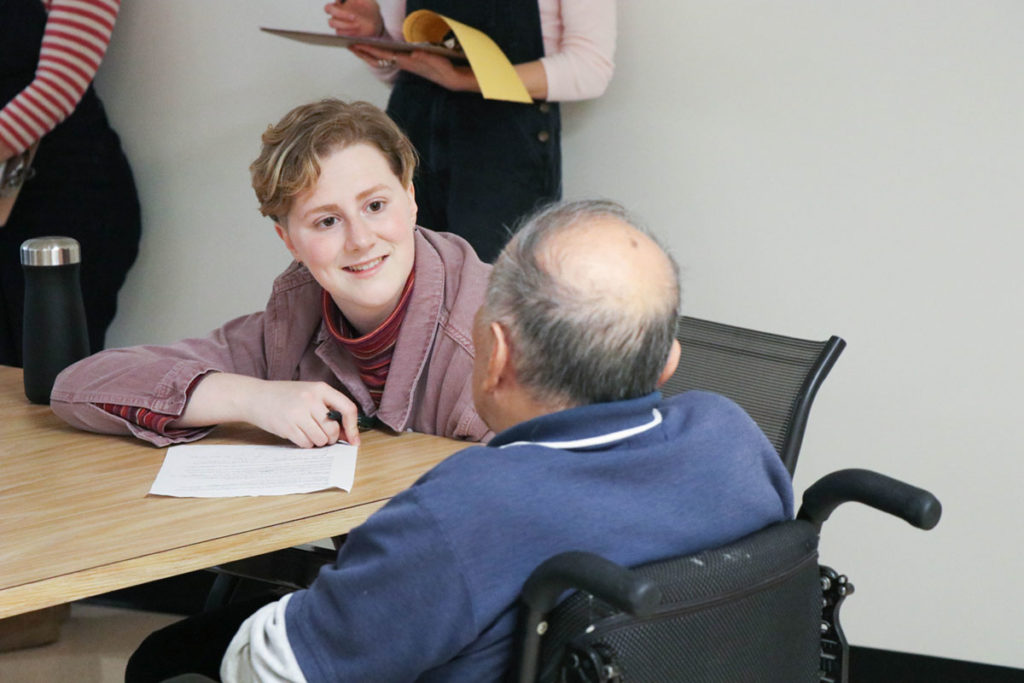
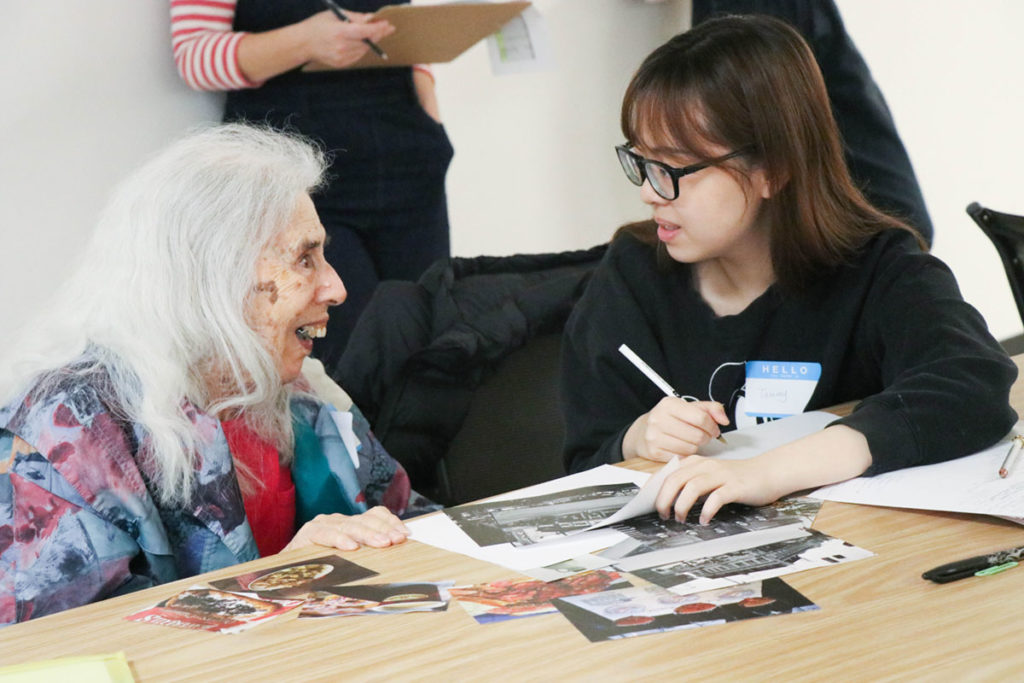
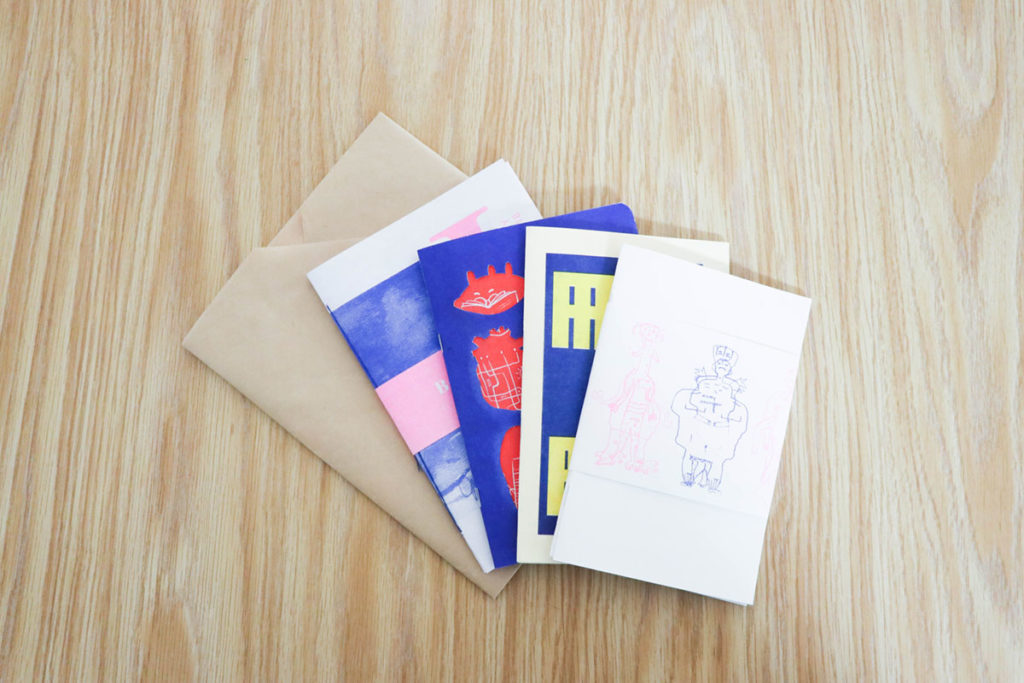
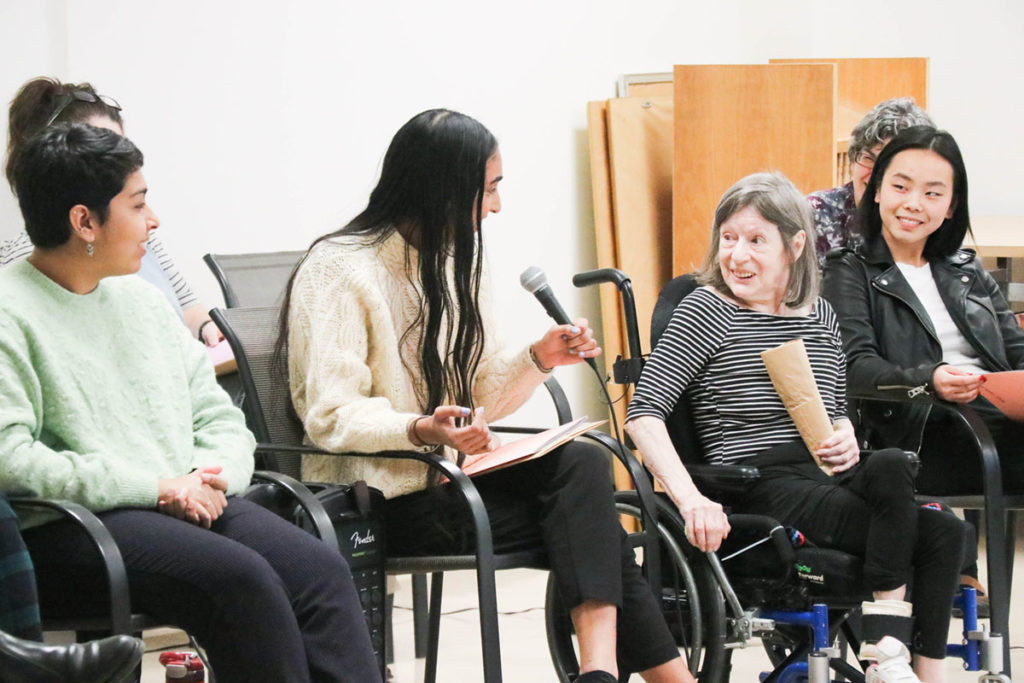
Perspectives brings together Communication Design students and residents of long-term care homes, creating a platform for meaningful intergenerational exchange and social interaction through the co-design and co-creation of mini-publications that express residents’ stories through writing, photography and other art media.

It’s not uncommon for residents of long-term care homes to face issues of social isolation and diminishment of personal identity, with opportunities for genuine creative and personal expression being limited. Residents can feel like they no longer have anything to contribute, that their story has closed, they’re unchallenged which often leads to cognitive decline. Design students tend to have limited life experience and are unsure about what direction they want to take in life. Perspectives explores the benefits of a reciprocal relationship between the two, engaging participants in a mutual exchange of experiences.

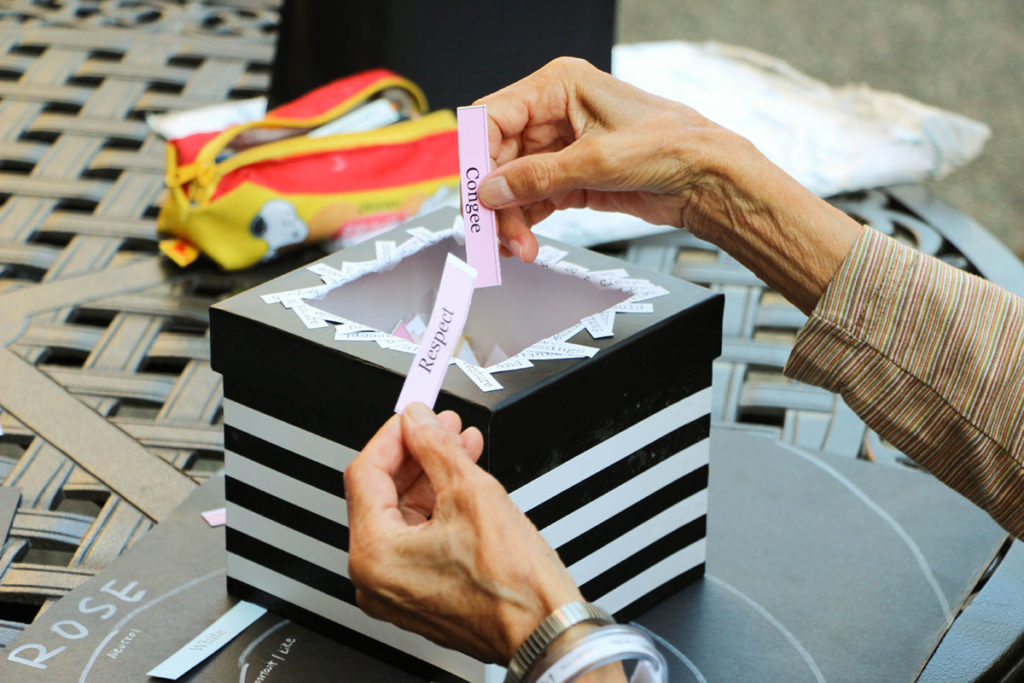
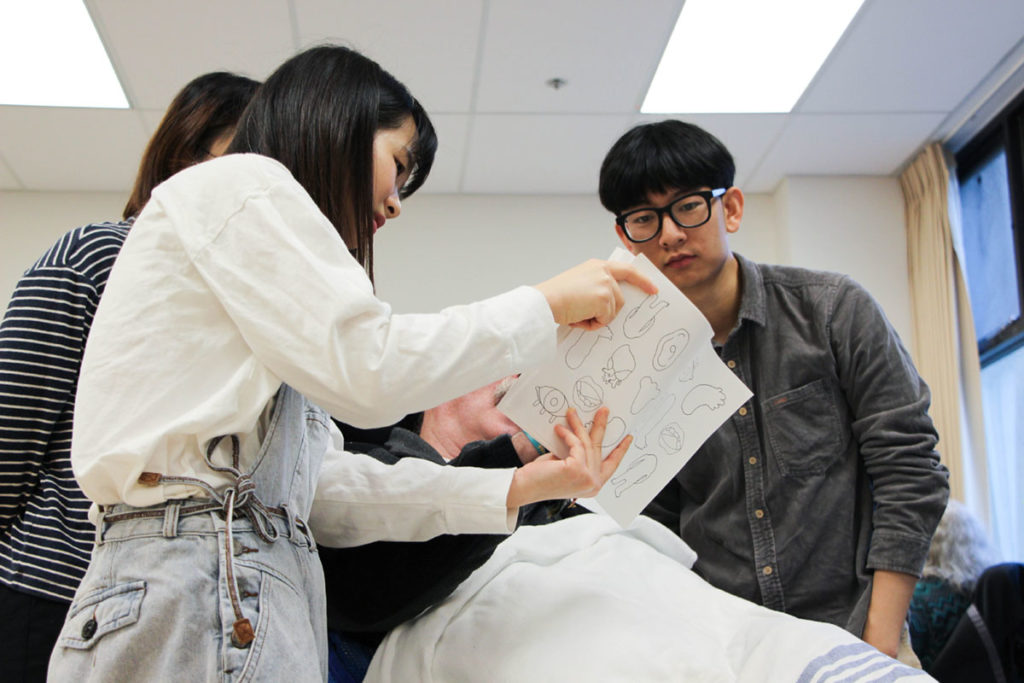
First, students and residents engage in “Getting to Know Me” sessions, during which they share information about themselves and learn about the other participants. Students then design activities using the limited knowledge they have about residents to uncover stories and points of interest they can explore during the Content Generation sessions that follow. This series of student-designed Content Generation sessions include creative approaches such as; storytelling, games, quizzes, drawing and collage. These activities act as creative probes to generate thematic starting points for narrative analysis and conceptual development, with emphasis placed on the mutual participation of students and residents.

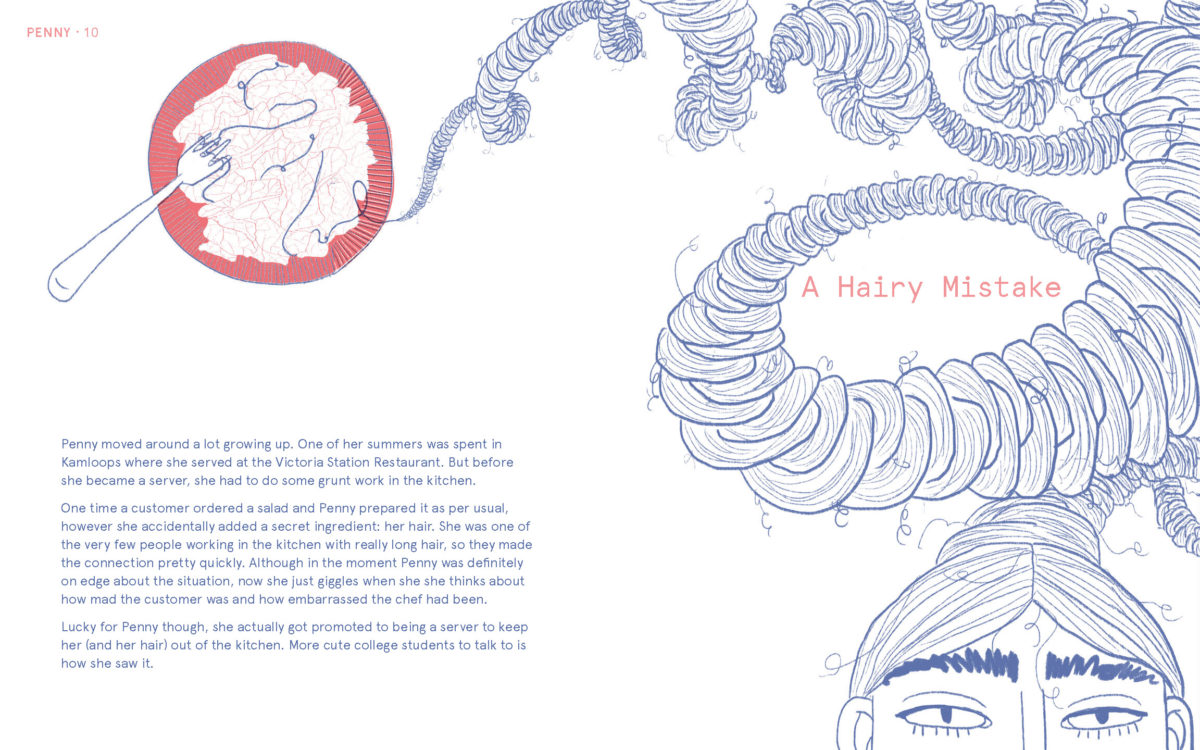
A common observation is that the design students take non-linear approaches to storytelling, with content generation topics ranging from the importance of respect, to opinions on sharks to activities that focus on residents dreams and future aspirations. This leads to a diverse range of publications, with one telling the detailed story of a resident’s life as an animal trainer for 1950s TV and film, another focused on residents’ preferences for sensations such as taste and smell, and a third, comic book publication in which residents were represented as superheroes.

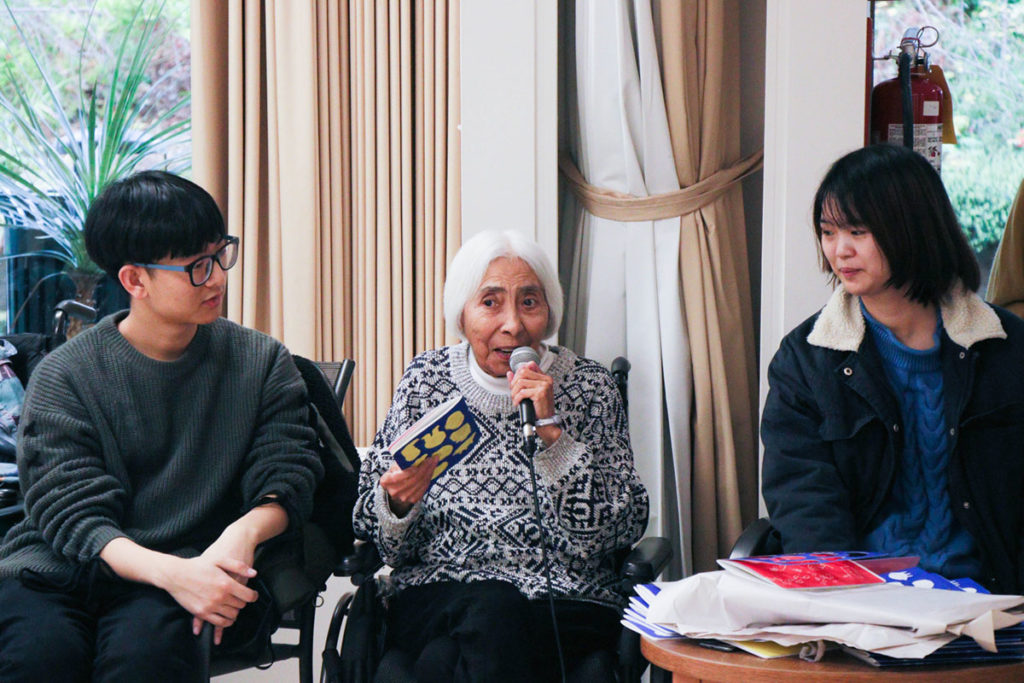
Students take material generated in the sessions and create initial editorial designs to be taken back for residents to review. Residents express their preferences on concept, copy, layout, typography, colors and composition. Following the review, students create multiple copies for a final sharing session. In this session all participants engage in a storytelling and sharing activity, with individual groups deciding how to share what they have made together, which often results in students and residents sharing stories together. These sessions are often highly emotional, with much laughter, and some tears, from all parties. Multiple copies are given to residents to allow them share their story with other residents, their families and care staff.

In the summer of 2018, funding was awarded from the Centre for Aging Brain and Health Innovation (CABHI) for an observational research study to investigate the impact of the project upon residents. The study concluded that the experience was an overwhelmingly positive experience for both residents and students. One resident, when asked about what they gained by participating in the program, explained, “Another look at the younger generation, what is going on with them and to see that they are with us, there is no separation between the ages, we are all the same.”

Anecdotal feedback from the care staff told of how residents would share their stories with carers and physicians who were able to gain a better sense of the resident, which could ultimately inform their care. A concern when starting the project was the lasting impact on the residents once students had left. We discovered that the project connected residents in new ways, forming new connections and friendships, while many residents began to engage with other programs in the home, becoming more social. When interviewed following the completion of the project, one member of staff said, “it brought some of the residents more social engagement. There were a few residents that stay in the room all the time. So, one particular resident was coming to see you guys in the group and they love telling their story.”

The benefits of the project extended beyond just residents, with the benefits for students also visible. Students participating in the project are in their third year of a four-year degree program, possessing strong design skills, but lacking experience of using those skills beyond a classroom environment. In a post-project survey one student noted, “It was really incredible to be able to spend time with seniors in the way that we did. I think there’s something really special about the bond between elders/youth.”

It’s not uncommon for many students approaching their final year of university to have something of an existential crisis, trying to find where they fit in the world as a designer. Perspectives engages the students in designing for an aging population for the first time, with many expressing an interest in revisiting that problem space in the future, something that is especially timely as the Canadian government recently announced its first Dementia Strategy. One student observed, “Western care homes are more often than not very cold and clinical, and in general not a very comfortable place to live. Designers have the skill set creativity and knowledge to help rectify this.”

Following three successful incarnations of Perspectives, in two different care homes, a “How to Guide” is being developed for other schools and care homes to run the project. A new application for funding has been made to CABHI to fund the publication of the How to Guide and I am currently in discussions with academic institutions, both national and international, about implementing the project and piloting the guide. The project has been presented at DementiaLab 2018 (United Kingdom), Design4Health 2018 (United Kingdom), the Canadian Gerontological Nursing Association 2019 and the Canadian Therapeutic Recreation Association Conference 2019, with papers currently being finalized for DementiaLab 2019 (the Netherlands), International MinD Conference 2019 (Germany) and the Canadian Frailty Network conference 2019. In April 2019 an article on Perspectives was published in the journal Design for Health (Volume 3, 2019).

Jon Hannan is Assistant Professor of Communication Design, having previously held the positions of Senior Lecturer of Graphic Design at Manchester School of Art and Senior Lecturer of Fashion Communication and Promotion at Nottingham Trent University. He holds an MA and a BA (Hons) in Design & Art Direction from Manchester School of Art, a Postgraduate Certificate in Education from Huddersfield University and is a Fellow of the Higher Education Academy (UK). Alongside teaching, Jon founded and ran Manchester-based design studio, OWT, for six years. OWT started as an experimental and collaborative publication before growing into a fully-practicing design studio. His research has been featured in international design publications, journals and online platforms such as Design for Health Journal, IdN, Computer Arts, the Guardian and CNN.

Recipient of recognition in the Design Incubation Communication Design Awards 2019.


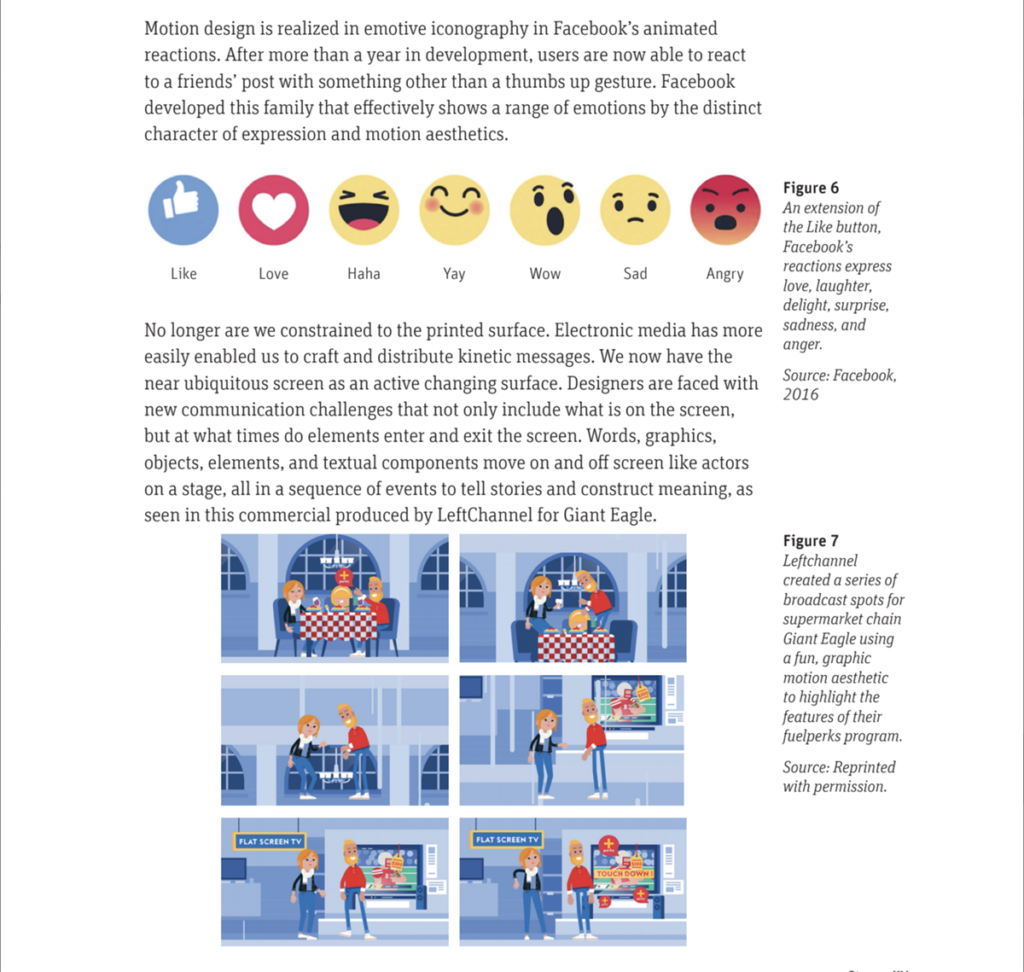
The Theory and Practice of Motion Design

Scholarship: Published Research Award Runner Up

R. Brian Stone, Associate Professor, The Ohio State University 
Leah Wahlin, Senior Lecturer, The Ohio State University, Editors

The Theory and Practice of Motion Design: Critical Perspectives and Professional Practice is a collection of essays offering an expansive, multi-platform exploration of the rapidly-expanding area of motion design and motion graphics. It takes into account both theoretical questions and creative professional practice. The contents of the book span interaction design, product interfaces, kinetic data visualizations, typography, TV and film title design, brand building, narrative storytelling, history, exhibits, and environments. Comprised of an interdisciplinary academic essays and professional interviews – together form a dialogue between motion design theory and professional practice. Written for both those critically engaged with motion design as well as those working or aspiring to work professionally in the field, the book features a range of international contributors and interviews with some of the best-known designers in the field, including Kyle Cooper, Karin Fong, and Jakob Trollbäck. The Theory and Practice of Motion Design seeks to illuminate the diverse, interdisciplinary field of motion design by offering a structured examination of how motion design has evolved, what forces define our current understanding and implementation of motion design, and how we can plan for and imagine the future of motion design as it unfolds.

An accompanying online resource site, www.motionresource.com, contains the actual motion based visual examples described in the text. The Forward and First Chapter are available for review on Amazon.com.

https://tinyurl.com/yb6tdwj5

AIGA Fellow Hugh Dubberly writes,

“Stone and Wahlin have produced the best book on designing for motion since Peter von Arx’s classic Film Design. Their new book The Theory and Practice of Motion Design should be required reading for anyone concerned with how words and information move on screen and how movement contributes to meaning.”

Notable Yale University Professor Christopher Pullman writes

“Instead of a how-to book, this is a ‘how-to-think-about’ book that delivers on its title, combining the history and intellectual underpinnings of motion design with the insights of contemporary design professionals… a thoughtful response to the profession’s shift from the mute flat-land of print to today’s rich, multi-dimensional options for communication.”

Outcomes: The Theory and Practice of Motion Design: Critical Perspectives and Professional Practice is collection of essays offering an expansive, multi-platform exploration of the rapidly-expanding area of motion design and motion graphics. It takes into account both theoretical questions and creative professional practice. The contents of the book span interaction design, product interfaces, kinetic data visualizations, typography, TV and film title design, brand building, narrative storytelling, history, exhibits, and environments. Comprised of an interdisciplinary academic essays and professional interviews – together form a dialogue between motion design theory and professional practice. Written for both those critically engaged with motion design as well as those working or aspiring to work professionally in the field, the book features a range of international contributors and interviews with some of the best-known designers in the field, including Kyle Cooper, Karin Fong, and Jakob Trollbäck. The Theory and Practice of Motion Design seeks to illuminate the diverse, interdisciplinary field of motion design by offering a structured examination of how motion design has evolved, what forces define our current understanding and implementation of motion design, and how we can plan for and imagine the future of motion design as it unfolds.

R. Brian Stone is an Associate Professor of Design at The Ohio State University, USA. His award-winning work and teachings are centered in the areas of motion design, interaction design, information visualization, and user experience. Professor Stone is the co-organizer of the Motion Design Summit conferences [MODE] and is editor of a collection of essays entitled, The Theory and Practice of Motion Design: Critical Perspectives and Professional Practice published by Routledge (2018). Professor Stone has held visiting appointments at the National University of Singapore (NUS), Escola Superior de Desenho Industrial (ESDI) in Brazil, and Universidad Americana Managua, Nicaragua (UAM). Apple Computer recognized Professor Stone’s teaching with the Apple Distinguished Educator award. He is also a recipient of the Ratner Distinguished Teaching Award, The Ohio State University Alumni Award for Distinguished Teaching, and the Order of Omega Faculty Recognition Award.

http://www.modesummit.com/2019/ + https://tinyurl.com/yb6tdwj5

Leah Wahlin’s background in English Literature and composition pedagogy is layered with extensive professional experience in content development, copywriting, and project management. She brings her interest in the intersections of technology, visual design, and strategic communication to the classroom, creating assignments and activities to help students develop the professional communication skills that are most relevant in today’s workplace. She has led development of two e-textbooks currently in use in the Department of Engineering Education, and she co-edited a collection about Motion Design with R. Brian Stone.

Recipient of recognition in the Design Incubation Communication Design Awards 2019.

Visible Language Special Issue on the History of Visual Communication Design

Scholarship: Published Research Award Winner

Dori Griffin, Assistant Professor, University of Florida (Editor)

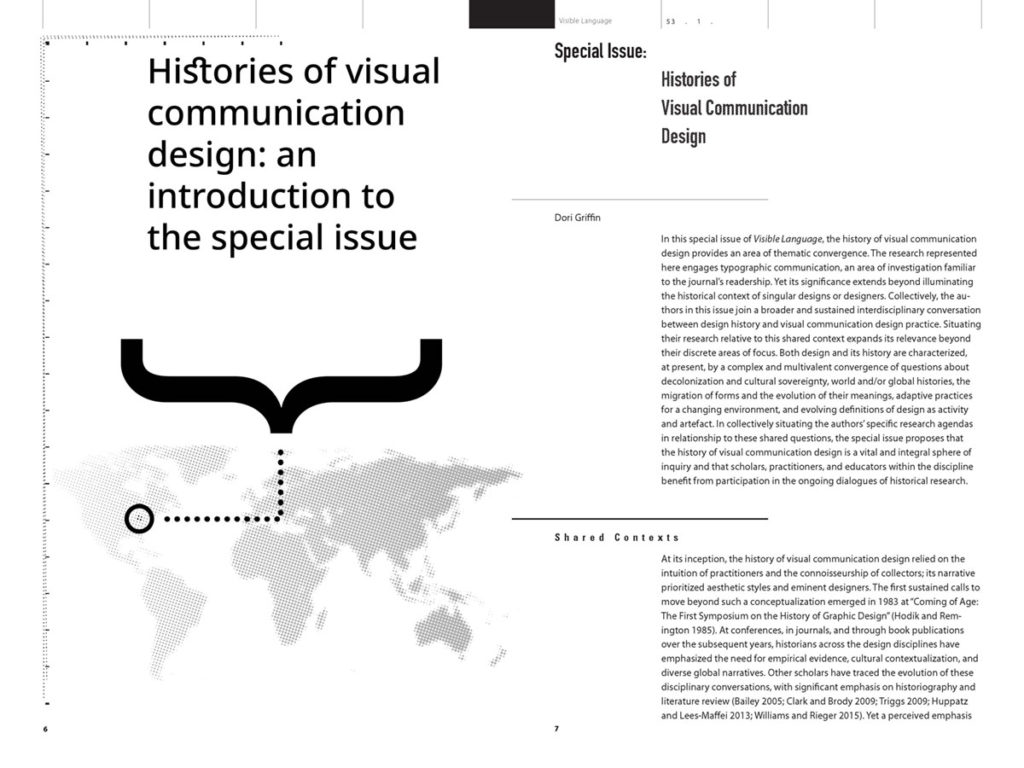
The history of graphic design as expressed in survey texts is well-known for being overpopulated by white Euro-American men. I believe that escaping this disciplinary echo chamber requires active, intentional effort from scholar-practitioners within the discipline. My own position as a design scholar and educator is one I’m determined to operationalize for inclusion. Therefore I was excited when Mike Zender, editor of Visible Language, invited me to guest-edit a special issue devoted to the history of visual communication design. As the longest-running peer reviewed journal of visual communication design research in the United States, Visible Language has played a significant role in both constructing and deconstructing a canonical notion of graphic design history, a subject I examined in the journal’s fiftieth anniversary issue (Griffin 2016). In cultivating submissions for the history issue, I was determined to facilitate as global and diverse a range as possible. It was vital for the issue to contribute to the ongoing work of building a more inclusive history of graphic design. Part of this work relies on an active critique of the power structures which have led to a canonical history based on exclusions around race/ethnicity, gender/sexuality, class, professional identity, and geography. And part of the work requires intentionally and explicitly inviting as-yet unheard voices to contribute to the disciplinary dialogue. Though the term “decolonization” is often used to describe such efforts, I’m cautious about its application. In the words of Tuck and Yang (2012), “Decolonization brings about the repatriation of Indigenous land and life; it is not a metaphor for other things we want to do to improve our societies and schools.” Instead, I’d describe my editorial goal as recuperative, opening up the dialogic spaces of design-historical discourse to include individuals, ideas, and practices too long excluded from that narrative.

It’s a truism that graphic design history is predicated on a shallow understanding of stylistically conceptualized movements and that the discipline lacks an evidence-based, critically-informed history (e.g. Blauvelt 1994-5; Woodham 1995; Triggs 2009, 2011). Yet as I worked on this editorial project, I became convinced that this conceptualization is invalid. As I noted in the introduction to the special issue, it is not the case that histories of visual communication design, beyond style or connoisseurship or visual data, do not exist. Rather, they inhabit spaces conceptualized as external to the core of our discipline. There are scholars and practitioners already at work conducting historical research which significantly expands familiar, survey-text style notions of graphic design history. Their work may be published in adjacent fields in the humanities and social sciences, rendering it less familiar to design educators. Or historical research might undergird a contemporary studio design practice rather than a scholarly publishing practice, and thus it escapes representation in the formal literature of design history. It is vital to make room for these voices within our field. As I shaped the history-themed issue of Visible Language, I actively cultivated participation from both kinds of researchers. Including their voices within graphic design’s established communities of dialogue greatly enriches the conversations which can take place in these spaces.

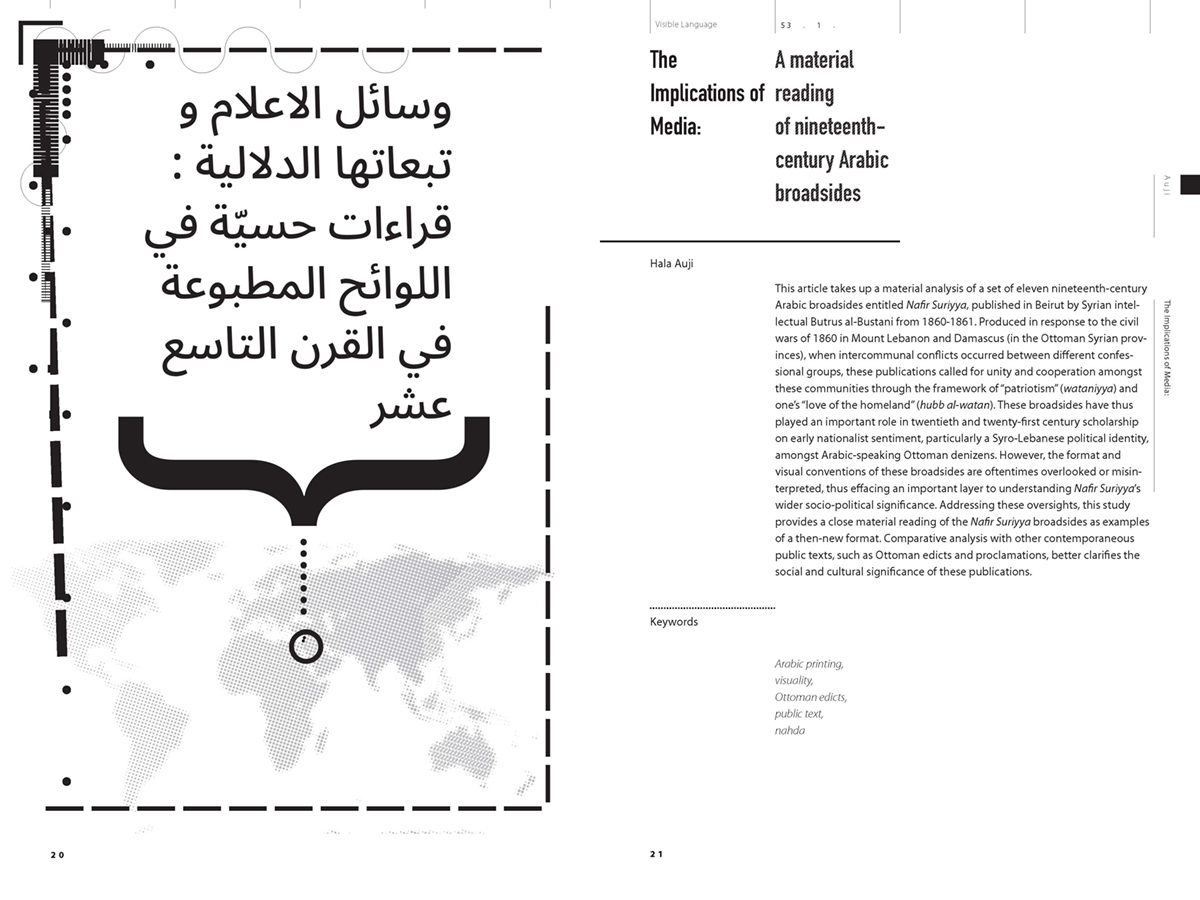
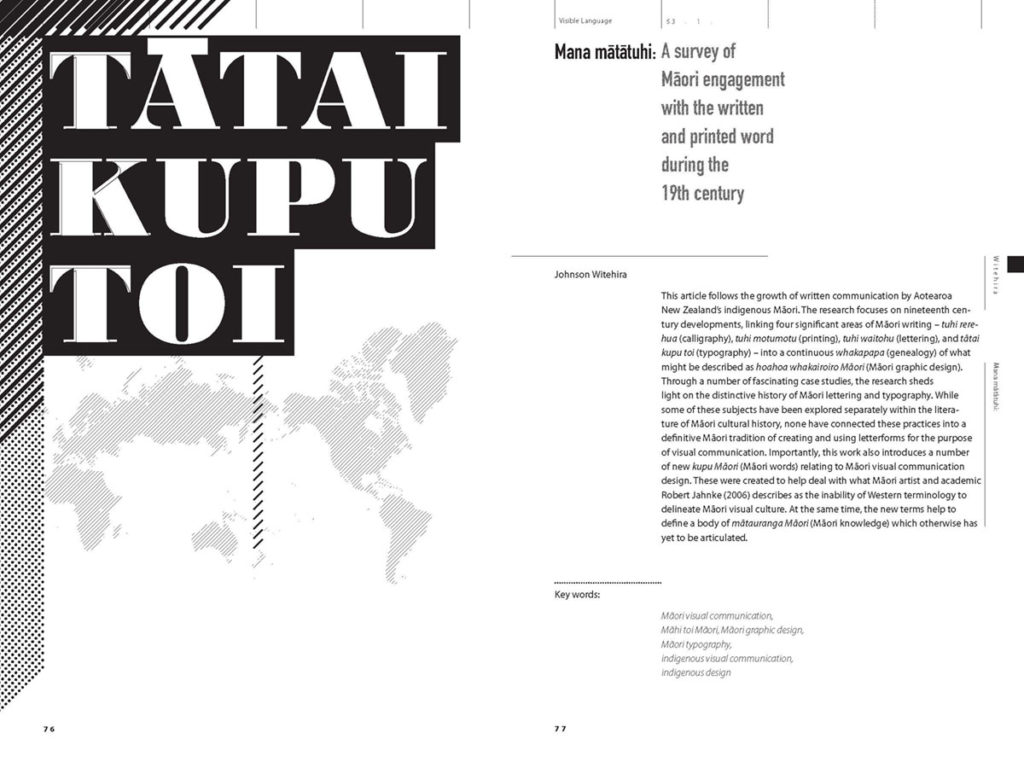
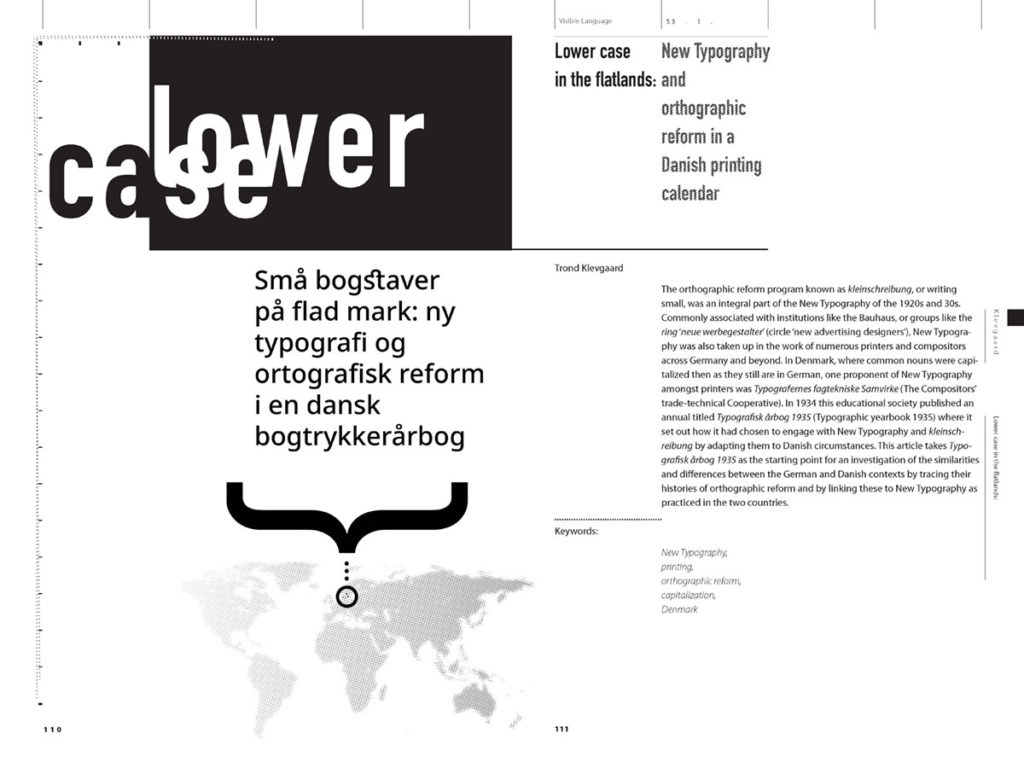
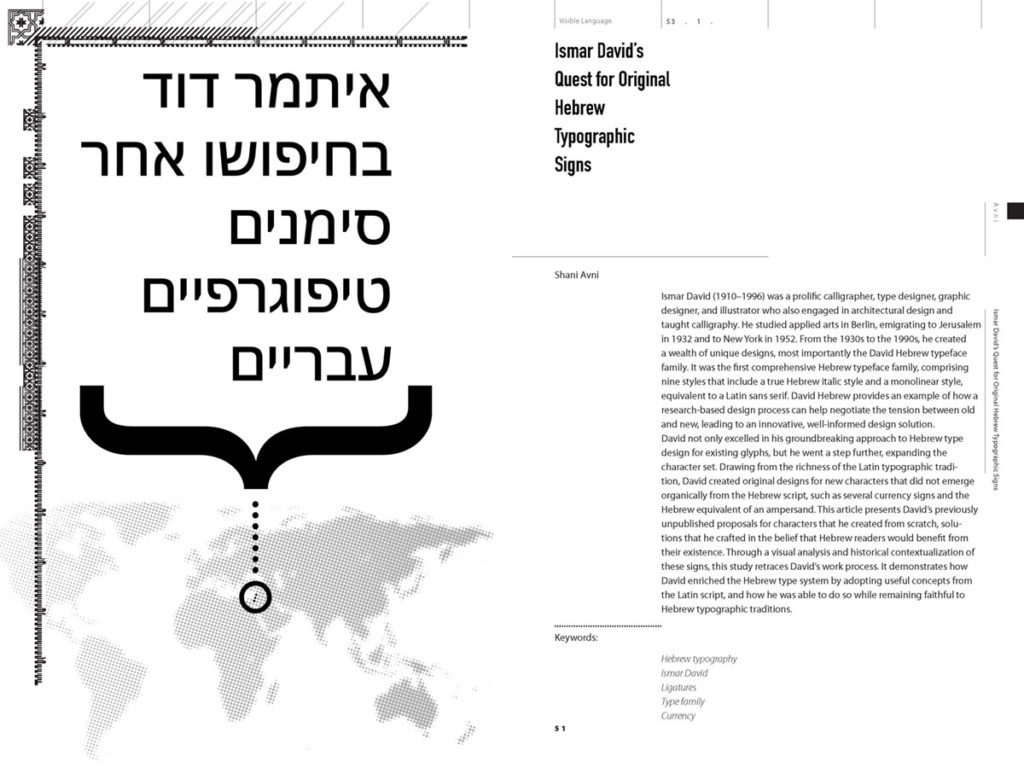
The four authors whose articles were selected for publication through the journal’s double-blind peer review process expand the narrative of graphic design history through specific case studies. Each illustrates the complexity of our discipline’s historical narratives. Collectively, the authors’ research speaks to the intersections between canonized Euro-American design conventions and the diverse ways design practice occurs and is understood in a wide range of local and global contexts. The authors’ contributions to the dialogic disciplinary narratives of graphic design history are the most important outcome of this project. In “The Implications of Media,” Islamic art historian Hala Auji undertakes a close contextual and material reading of the Nafir Suriya, a series of Arabic-language broadsides originally printed in Beirut in 1860 and re-issued in 1990. In “Ismar David’s Quest for Original Hebrew Typographic Signs,” practicing designer Shani Avni contextualizes David’s design process for the David Hebrew type family (1954), documenting David’s negotiation of the tension between tradition and innovation through a research-based design process. In “Mana Mātātuhi,” practicing designer Johnson Witehira documents Māori visual culture’s incorporation of Latin-alphabet lettering and typography into culturally specific ways of seeing, knowing, and expressing. In “Lower Case in the Flatlands,” design historian Trond Klevgaard explores the adaptation and application of Avant Garde Modernist strategies in locations traditionally defined as “peripheral.” The abstracts for all four articles are included in the “evidence of outcome” section.

Serving as guest editor for this special issue of Visible Language led to an invitation to join the editorial team as the associate editor for statements of practice at Design & Culture, the journal of the Design Studies Forum. The July 2019 issue is the journal’s first issue under the direction of its new editors in chief, who describe their “conscious formation of an editorial and advisory board of accomplished scholars who work beyond the silos of their disciplines and who hail from regions not always represented in design’s dominant canons and conversations.” They note that they “are also attentive to the politics of citations and are committed to broadening the scholarly dialog to include voices too frequently dismissed or engaged only at the margins” (Adams, Keshavarz and Traganou 2019, 154). Within this conceptual framework, the issue’s statement of practice is by Nadine Chahine, whose insightful essay discusses her work as a designer of Arabic typefaces and the complex role typography plays in a diverse range of Arabic cultural and political expressions. I’m honored to contribute to this ongoing work of diversification, in however small a way. It’s thrilling to collaborate with practitioners and scholars who prioritize a global, participatory, and inclusive notion of design history and praxis. Editorial work is not glamorous. But approaching it with a passion for cultivating diversity and inclusion holds the power to shape future histories of graphic design into narratives more representative of all peoples and practices within the domain of design. [989 words]

Bibliography

Adams, B., M. Keshavarz and J. Traganou. 2019. “Editorial.” Design and Culture 11:2, 153-6.

Blauvelt, A. 1994-5. “New Perspectives: Critical Histories of Graphic Design.” Visible Language volumes 28.3, 28.4, 29.1.

Griffin, D. 2015. “The Role of Visible Language in Building and Critiquing a Canon of Graphic Design History.” Visible Language 50:3, 6-27.

Triggs, T. 2009. “Designing Graphic Design History.” Journal of Design History 22 (4): 325–40. https://doi.org/10.1093/jdh/epp041.

———. 2011. “Graphic Design History: Past, Present, and Future.” Design Issues 27 (1): 3–6. https://doi.org/10.1162/DESI_a_00051.

Tuck, E., and K. Yang. 2012. “Decolonization Is Not a Metaphor.” Decolonization: Indigeneity, Education & Society 1:1, 1-¬40.

Woodham, J. 1995. “Resisting Colonization: Design History Has Its Own Identity.” Design Issues 11 (1): 22–37. https://doi.org/10.2307/1511613.

Dori Griffin is an assistant professor of graphic design in the University of Florida’s School of Art + Art History. Her research centers around two interrelated areas of inquiry. Her historical research expands the narrative of graphic design as it has been practiced and consumed in the past, with particular focus on how popular visual artifacts and print media shape national and international dialogues about culture, politics, and identity. Her pedagogical research explores how to develop globalized curriculum and diverse, learner-centered practices for design history pedagogy, particularly in the context of studio education. She is a frequent contributor to the peer-reviewed scholarly dialogues of the discipline, with publications in Dialectic, Visible Language, Design & Culture, the Journal of Communication Design, and the Journal of Design History, among others. Currently, she serves as the associate editor for statements of practice at Design & Culture.

Recipient of recognition in the Design Incubation Communication Design Awards 2019.