The Empathy Points Method: Integrating Identity and Bias Recognition Into Design Education

Leveraging the diverse experiences of design teams.

Andrea Hempstead
Associate Professor
Texas A&M University-Corpus Christi

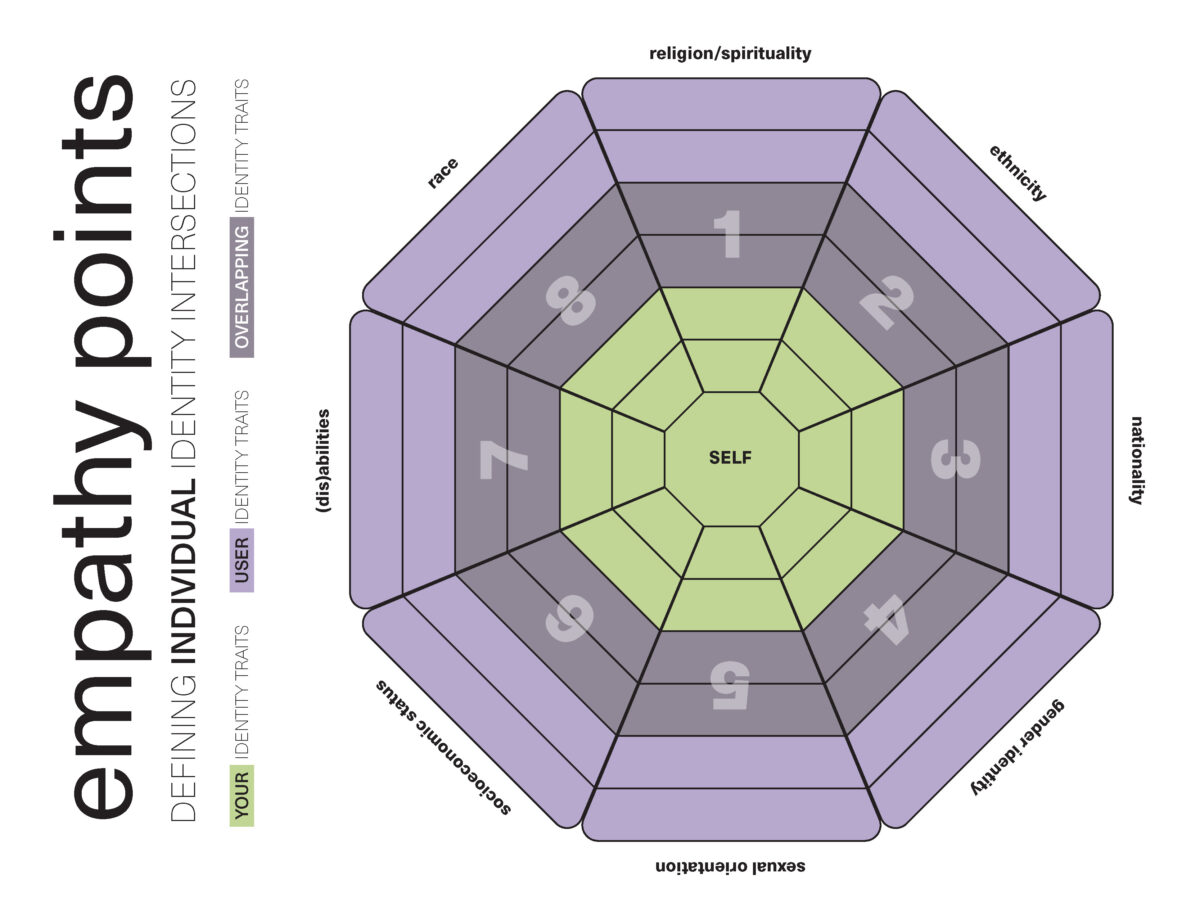
This presentation reviews practical tools and methods for guiding students through an understanding of identity and bias definitions and connecting these concepts to the design process. Delivered in a workshop format, the approach combines identity reflection with design methods that foreground empathy and critical awareness. A central focus is the Empathy Points method, which challenges conventional assumptions about empathy in design. This method argues that genuine empathy requires shared lived experiences, applying this idea through the identification of overlapping social identity traits between designers and users. By leveraging the diverse experiences of design teams, group members can establish more authentic connections with users and increased inclusive solutions, particularly in contexts where students lack direct access to end users.

The workshop also emphasizes how implicit bias shapes design interpretations. Participants are guided through an examination of their biases in relation to their social identities. They assess how these align or diverge from user identities and connect the impact of user identities to the design problem. The process concludes with creating a strategic plan, by using team empathy points effectively while continuously checking for bias throughout the design process. Workshop outcomes will be revealed via classroom examples, results, and student reflection.

The integration of identity, empathy, and bias into design education equips students with tools to critically engage with users’ perspectives while remaining mindful of their own positionalities. By framing empathy as relational and grounded in shared experience, the Empathy Points method expands the potential for inclusive and socially responsive design practices.

This design research is presented at Design Incubation Colloquium 12.2: Annual CAA Conference 2026 (In-person only) on Thursday, February 19, 2026.
Social Media as Design-Writing Process Tool

This process relies on steps familiar to designers: problem identification, research, and the cyclical process of iteration, making, and user testing.

Dori Griffin
Assistant Professor
University of Florida

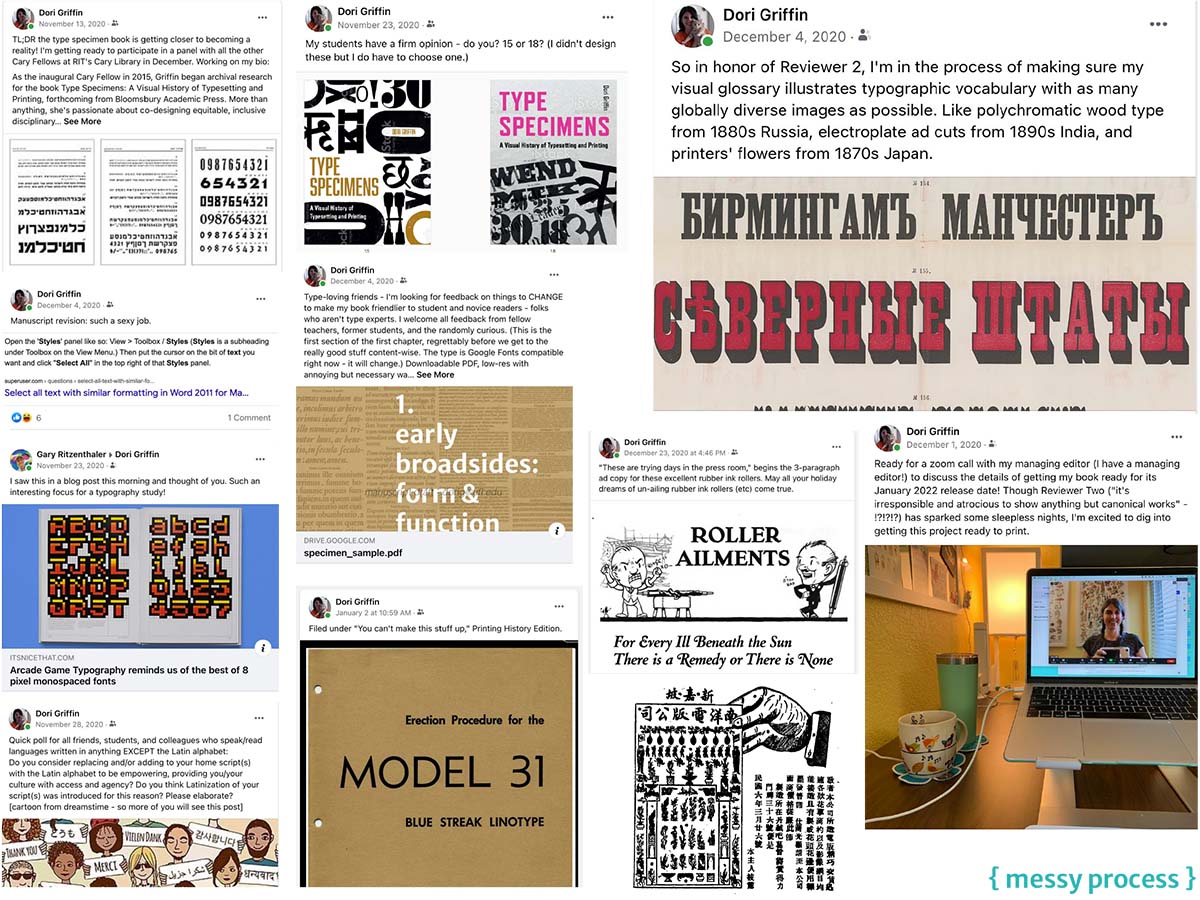
Writing, like design and design education, is an iterative process which benefits from informal peer critique.  Type Specimens: A Visual History of Typesetting & Printing (Bloomsbury Academic, forthcoming December 2021) is a global narrative of typographic history. It considers the problem of typography as a tool of capitalism and colonization and — according to Reviewer Two — “irresponsibly shows beginners too many [global] examples that aren’t canonical.” The Cary Fellowship at the Rochester Institute of Technology and the Design Incubation Fellowship, among others, have supported its development. Throughout, social media played a key role as a process tool in the book’s research-writing-design. This approach echoes how designers and educators deploy informal peer critique in the studio as a community-driven teaching and learning tool. This presentation explores how social media can support meaningful design-writing scholarship. This process relies on steps familiar to designers: problem identification, research, and the cyclical process of iteration, making, and user testing. As design develops a disciplinary literature of its own, designers can bring visual ways of knowing and learning to the process of writing our own diverse and often previously unknown histories. We can leverage tools seemingly alien to the scholarly writing process: sketching, informal peer critique, and social media texts, images, and discussions. I’ve approached Type Specimens as a project framed by code-switching and multilingual text production; the visual is, after all, a set of languages. Social media has been a powerful tool to fuel and document this process. This presentation shows that journey.

Visualizing Historical Arguments

A Hispanic identity has been part of the United States since long before the massive immigration of the last decades. I explore the process as a form of research over finished forms.

Camila Afanador-Llach
Assistant Professor, Graphic Design
Florida Atlantic University

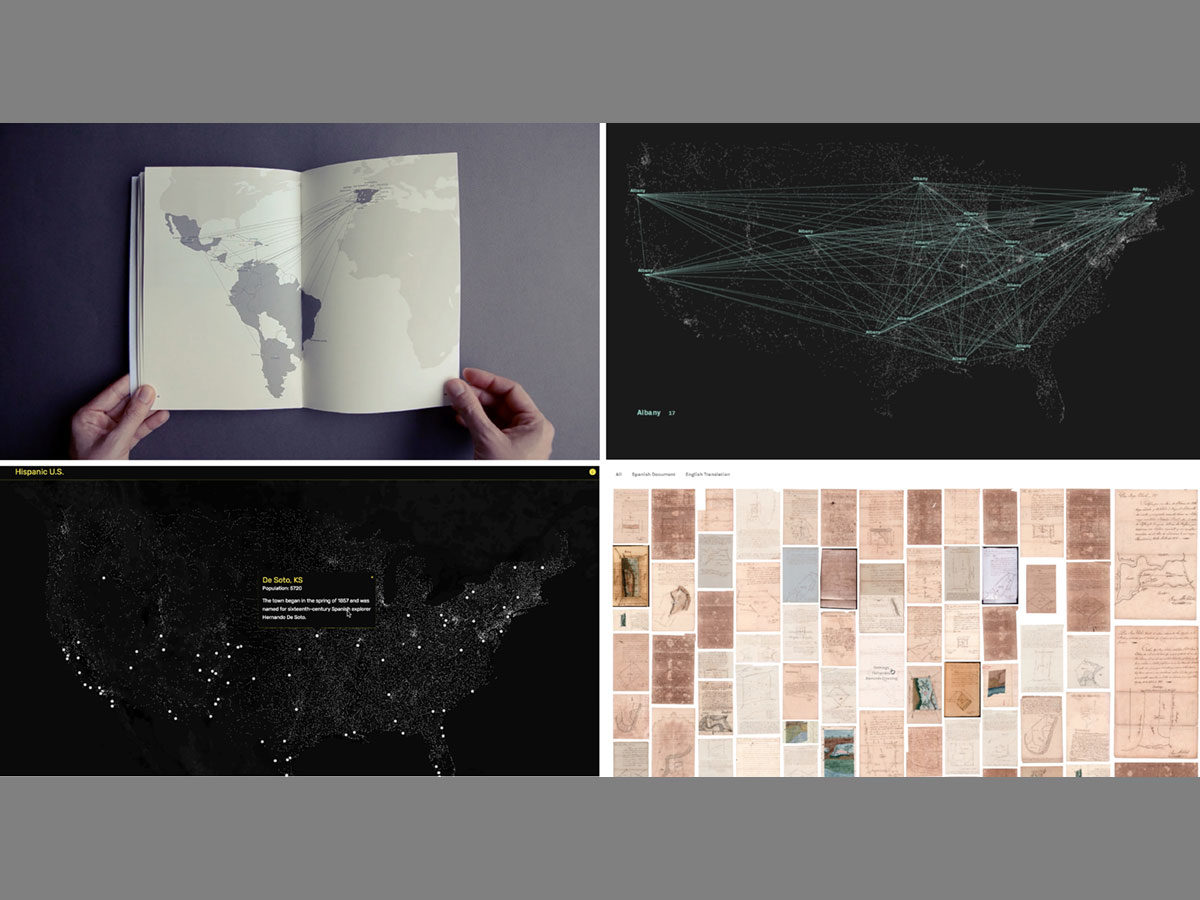
Visual representations of arguments based on historical events have the potential to shed light on contemporary issues. The graphic formats to structure such representations can include maps, data visualizations, and interactive archives. In this presentation, I show a series of projects where I use the tools of design to explore contemporary questions about the identity of places with a historical perspective. Using datasets and existing archives I seek to make evident the argument that a Hispanic identity has been part of the United States since long before the massive immigration of the last decades. I explore the process as a form of research over finished forms. With each iteration I continue to understand how arguments developed in long narrative texts can be communicated through visual forms.

In my engagement with historical narratives, I pursue more inclusive frameworks and decentralized ways of telling stories. Representing an argument in a visual format is also an act to bridge design practices with the humanities in the hope to establish methodologies for collaborative interdisciplinary endeavors.

This research was presented at the Design Incubation Colloquium 4.4: Parsons Integrated Design on Thursday, June 14, 2018.

Grafik Intervention: Sparking Urban Revitalization Efforts Through Graphic Design

Brit Rowe
Associate Professor of Art & Design
Department of Art & Design
Ohio Northern University

How can graphic designers use their skills and knowledge to draw attention to—and invoke a solution to—the problem of urban decay? How can they take responsibility and help rehabilitate those wounded environments?

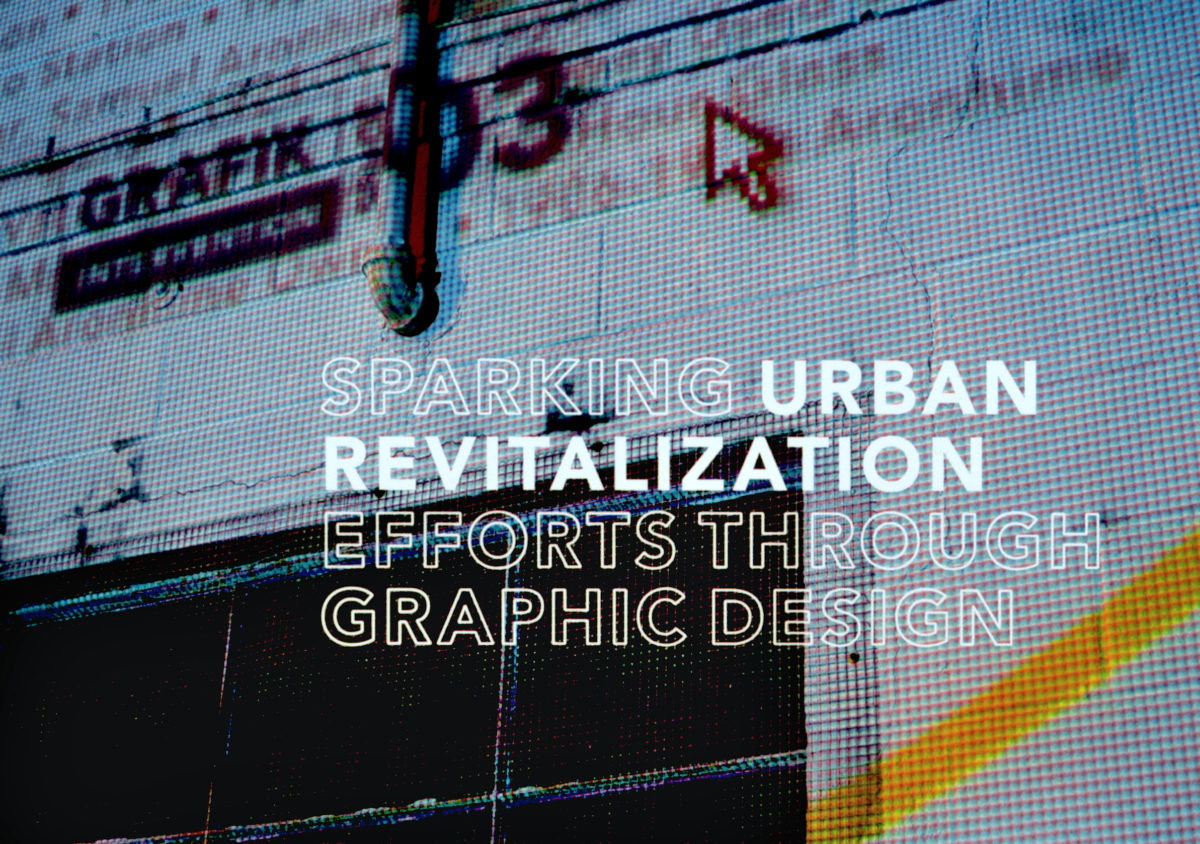
Buildings that sit vacant for one or more years can become eyesores in any community and even bring down the value of properties surrounding them. In some situations, it is too costly to rehabilitate these spaces, causing developers to avoid them and leaving them susceptible to blight. This presentation discusses how students in a senior level graphic design course designed a Grafik Intervention to bring awareness to an underutilized building and to inspire community members to consider the potential the building held.

The Grafik Intervention is an open source project that identifies a site based on its underutilized urban space and potential for revitalization. The building is carefully selected based on its notable history and location. Along with the digital projections during the event, an historical exhibit was created to emphasize the significance of the building. The goal was to engage the public through visually dynamic and compelling communication methods. The projections were created to provide historical information in an urban context on the building after dark. Through the use of projected visuals and real-time discussions, printed questionnaires were used to elicit information from the general public as they walked or drove by the case study building.

This research was presented at the Design Incubation Colloquium 3.3: Kent State University on Saturday, March 11, 2017.