Art, Interaction and Narrative in Virtual Reality

Slavica Ceperkovic
Professor
Seneca College

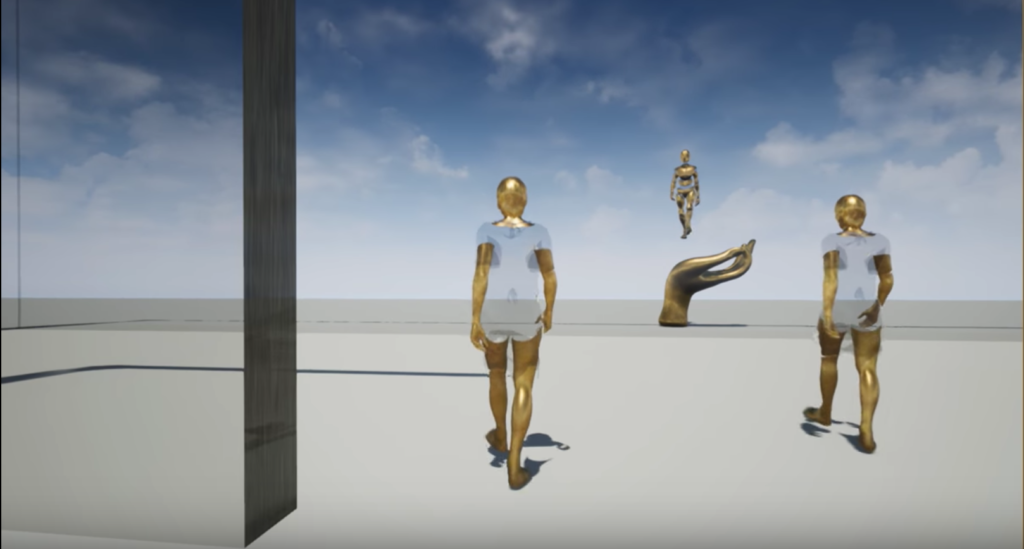
This artist presentation will present a case study on how different user models of interaction shape narrative experiences in virtual reality landscape environments. The three models that will be explored are guided experiences, embodied task interaction, and companion based virtual reality interactions.

This research was presented at the Design Incubation Colloquium 5.2: CAA 2019 Conference New York on Thursday, February 14, 2019.

10 Case Studies in Eco-Activist Design

Kelly Salchow MacArthur
Associate Professor
Michigan State University

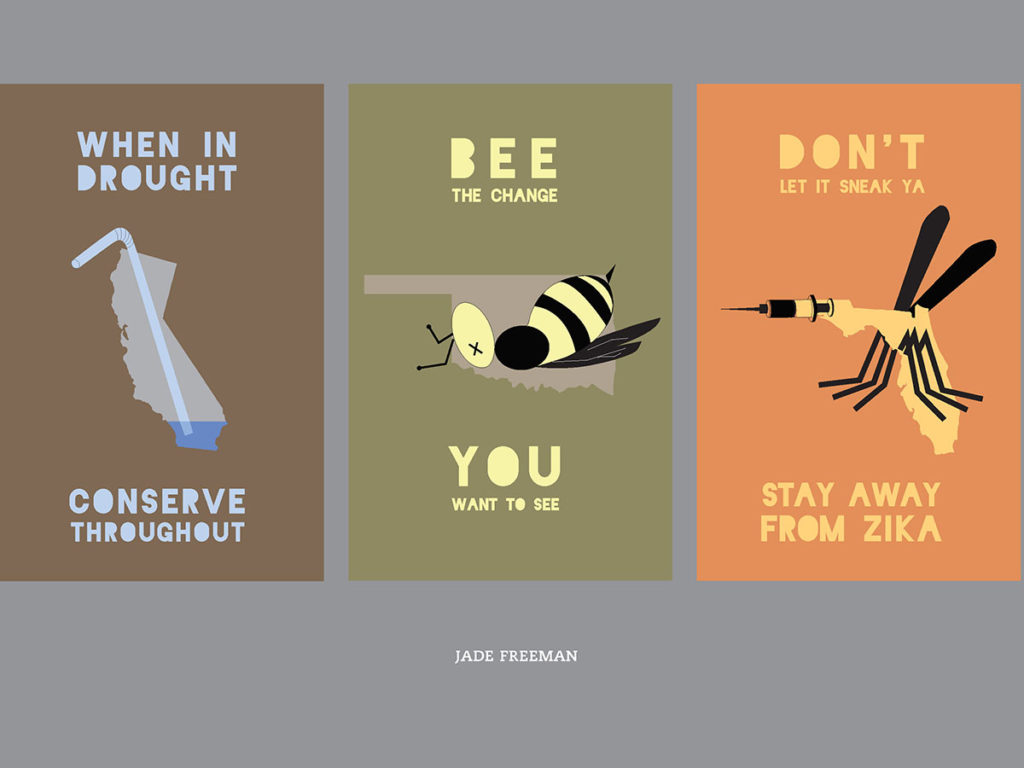
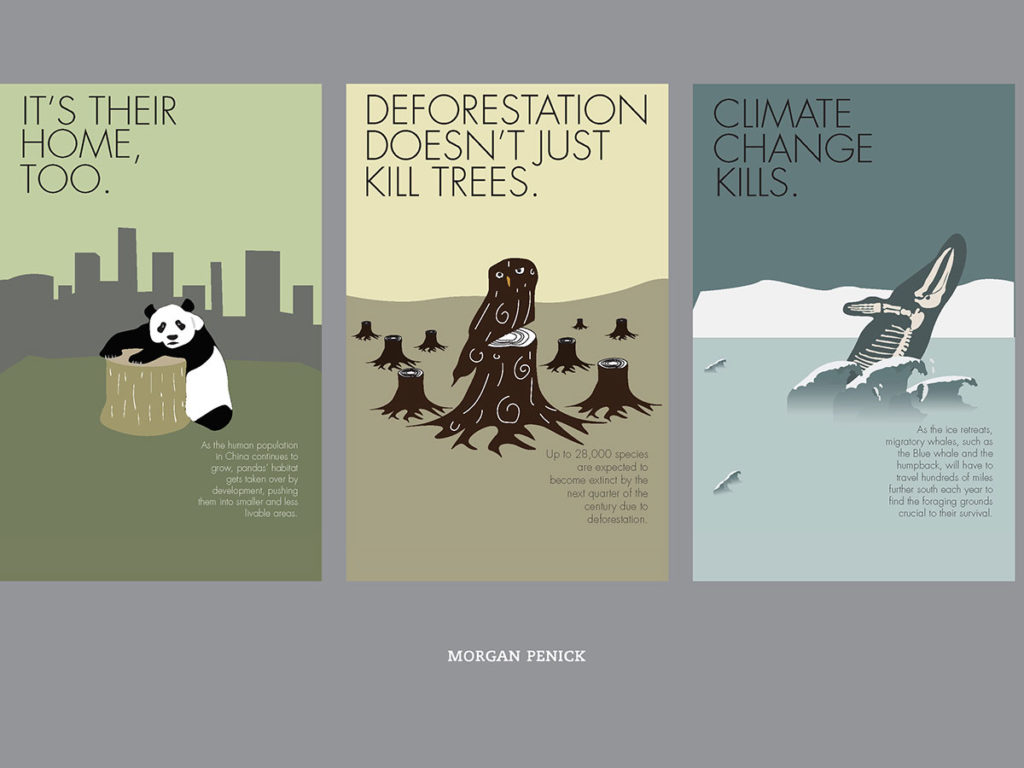
Activism through design is especially timely, as the effects of climate change are becoming alarmingly obvious. Victor Papanek wrote in The Green Imperative, “Design must be the bridge between human needs, culture and ecology.”1 Armed with the powerful tools of visual communication, great responsibility rests on the shoulders of designers when conceptualizing and producing work—and presents an exciting opportunity to share one’s beliefs, and incite change within a broad community.

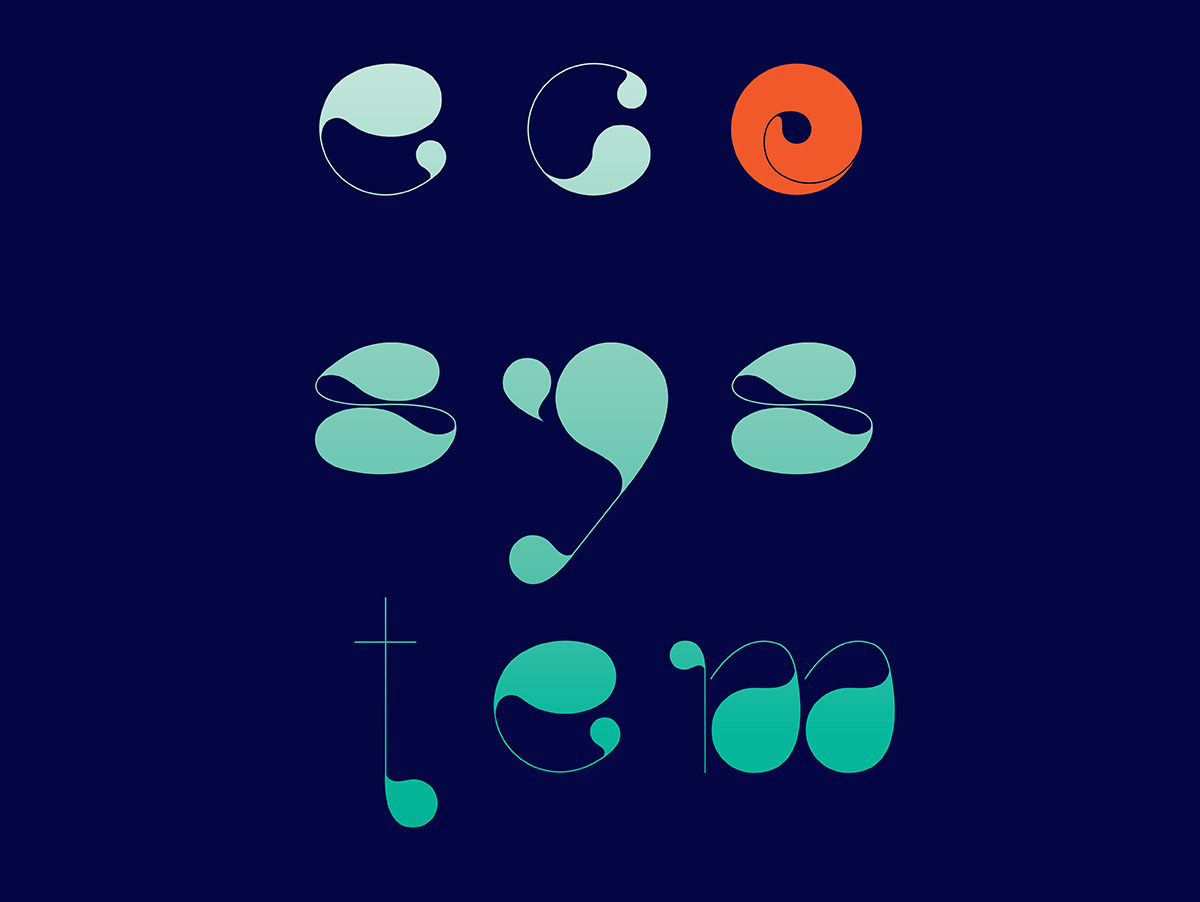
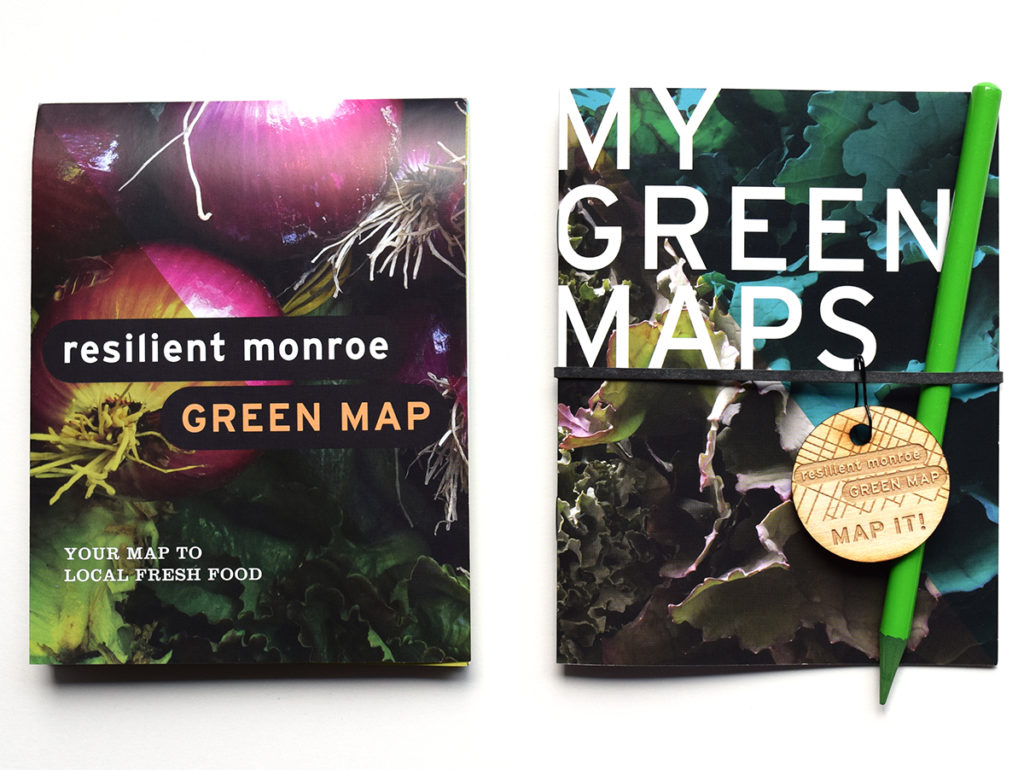
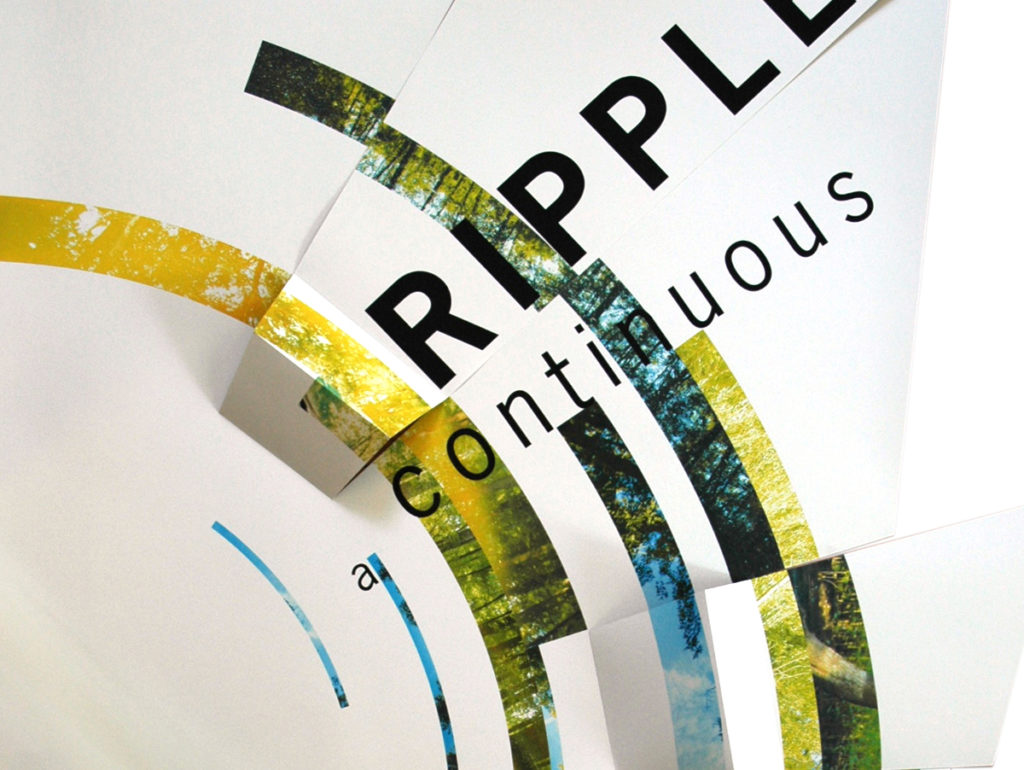
As a design educator and practitioner, I pursue creative research that aspires to catalyze empathy and positive action towards addressing climate change. Case studies will demonstrate various communication design strategies—humanistic appeals to reconnect with nature, statistics meant to instigate response, calls to action, aesthetic presentation of biophilia, concrete poetry, and community mapping for an ecological organization.


While such work has proven to be personally, conscientiously, and professionally enriching, the main ambition has been to relate to society in unexpected ways and affect change. As Eric Benson and Yvette Perullo write in Design to Renourish, “Designers as citizens have an obligation to be respectful to all fellow human beings and to the planet we share.”2 Through this body of work, I hope to contribute to (and sway) the ongoing dialog of environmental urgency that is often met with inaction.


  1. Papanek, Victor. The Green Imperative. New York, New York: Thames and Hudson, 1995. pg. 29.
  2. Benson, E. & Perullo, Y. Design to Renourish. Boca Raton, Florida: Taylor & Francis Group, 2017. pg. 115.

This research was presented at the Design Incubation Colloquium 5.2: CAA 2019 Conference New York on Thursday, February 14, 2019.

Exploring Narrative Inquiry as a Design Research Method

Anne Berry
Assistant Professor
Cleveland State University

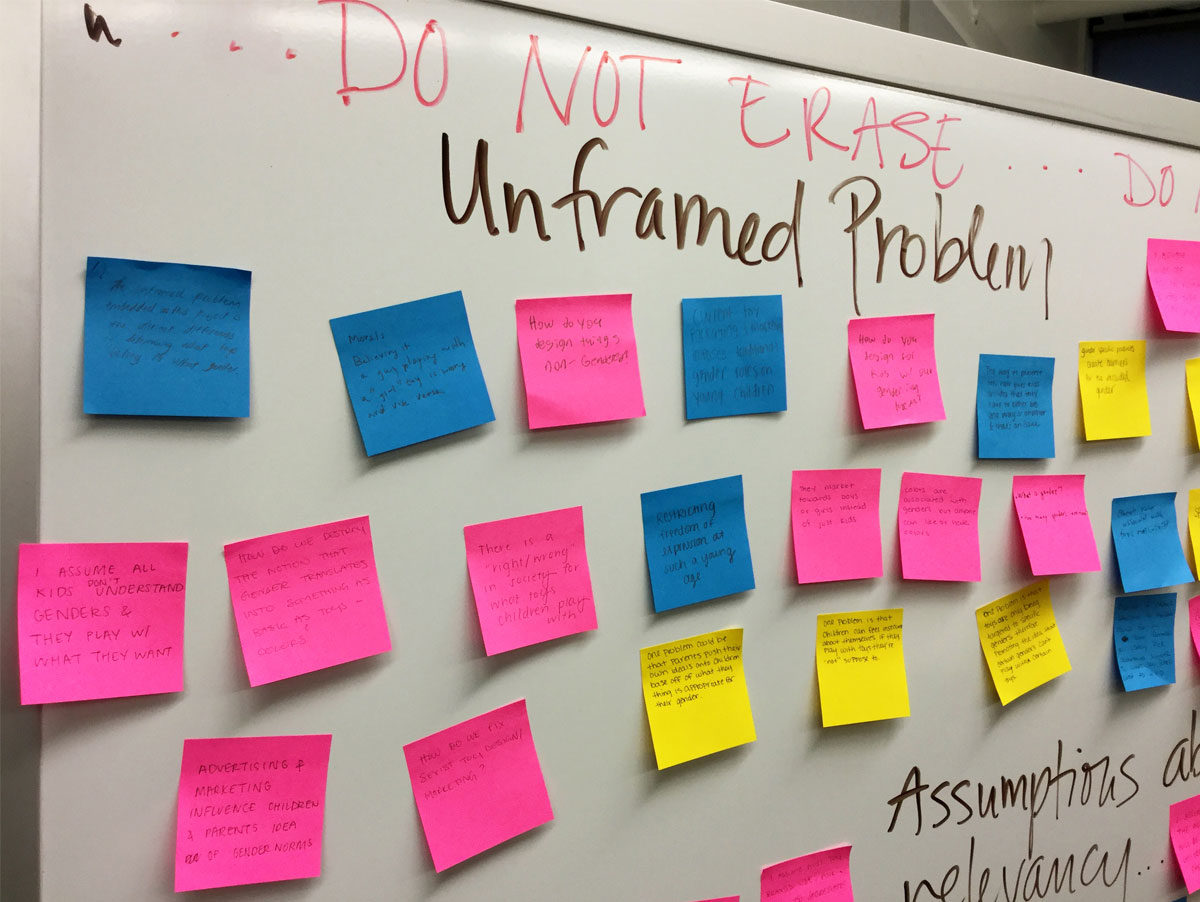
Whether working as industry professionals or engaged in academic research, designers are trained to embrace complex, unframed problems and prioritize the needs of end-users. Processes derived from design practice, such as design thinking and human-centered design (HCD), can subsequently be useful in providing frameworks and strategies to address broad, undefined challenges. There are limits to the depth and breadth of information that can be gathered about the complexities of human nature when filtered through these approaches, however. Designing products for people versus designing to affect change within complex political, social, and cultural systems—or what scholars Cinnamon Janzer and Lauren Weinstein refer to as “object-centered” and “situation-centered” practices—run counter to one another. Questions subsequently remain as to how designers should bridge gaps between the design problems identified and the research techniques employed when working towards solutions.

In contrast to “object-centered” approaches inherent in design thinking and HCD, narrative inquiry is a qualitative method particularly suited to human complexity. Everyday lived experiences, their impact, and the social and cultural contexts in which the experiences take place are examined through storytelling. With an emphasis on building knowledge, versus setting out to achieve specific outcomes, narrative inquiry has the potential to help designers develop deeper understanding of the people and systems they design for. This talk, consequently, will address how narrative inquiry can be utilized as a research method for design research.

This research was presented at the Design Incubation Colloquium 5.2: CAA 2019 Conference New York on Thursday, February 14, 2019.

State of Flux

Natacha Poggio
Assistant Professor
University of Houston Downtown

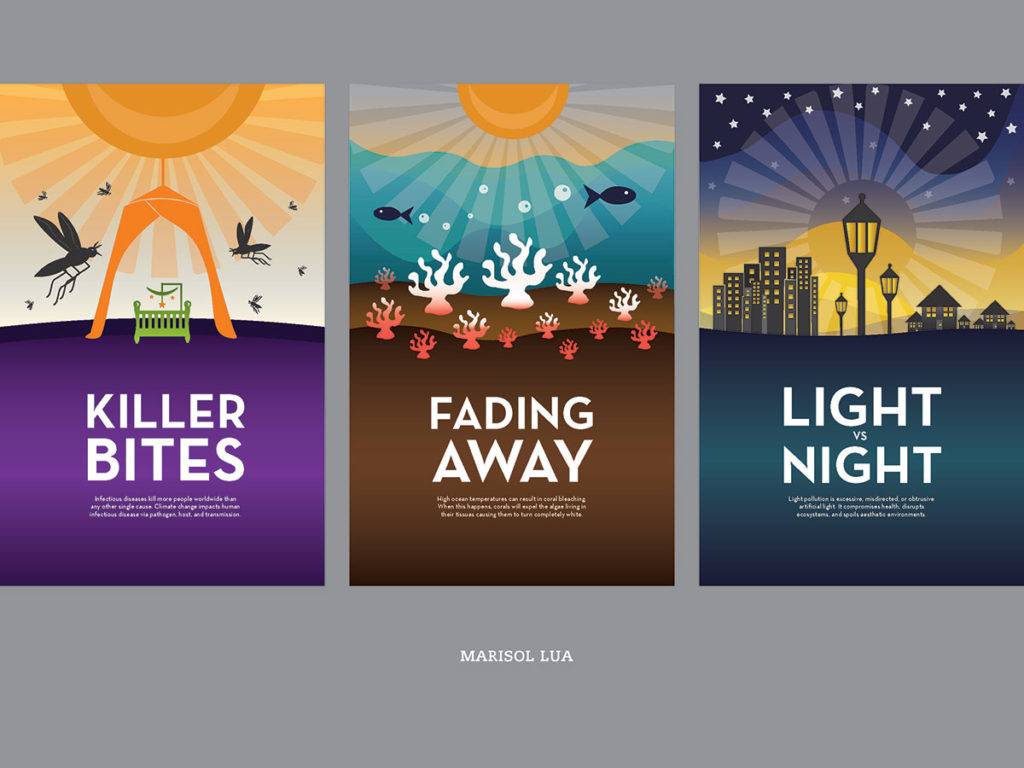
The climate change debate is divided into two major sides. One argues that the current global warming is caused by human factors while the other side insists it is occurring because of natural forces. Scientists around the world have conducted research that shows human activities contribute the most to today’s climate change. Human activities like the burning of fossil fuels, agriculture and changes in land-use patterns contribute to tip the Earth’s energy balance by trapping more heat, leading to global warming. The increased temperature fluctuations on Earth lead to more frequent extreme weather events (hurricanes, floods, droughts, wildfires) which are another indication that climate change is, in fact, a reality.


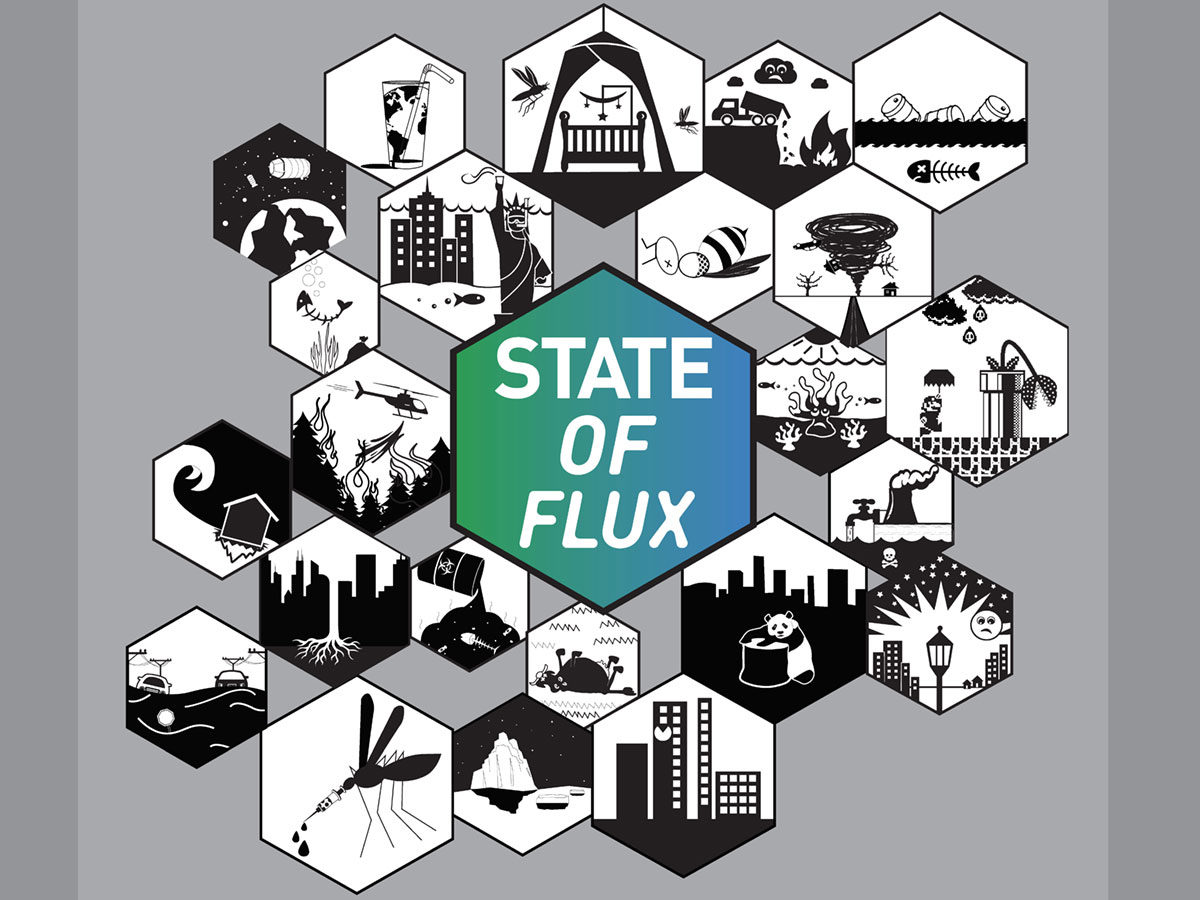
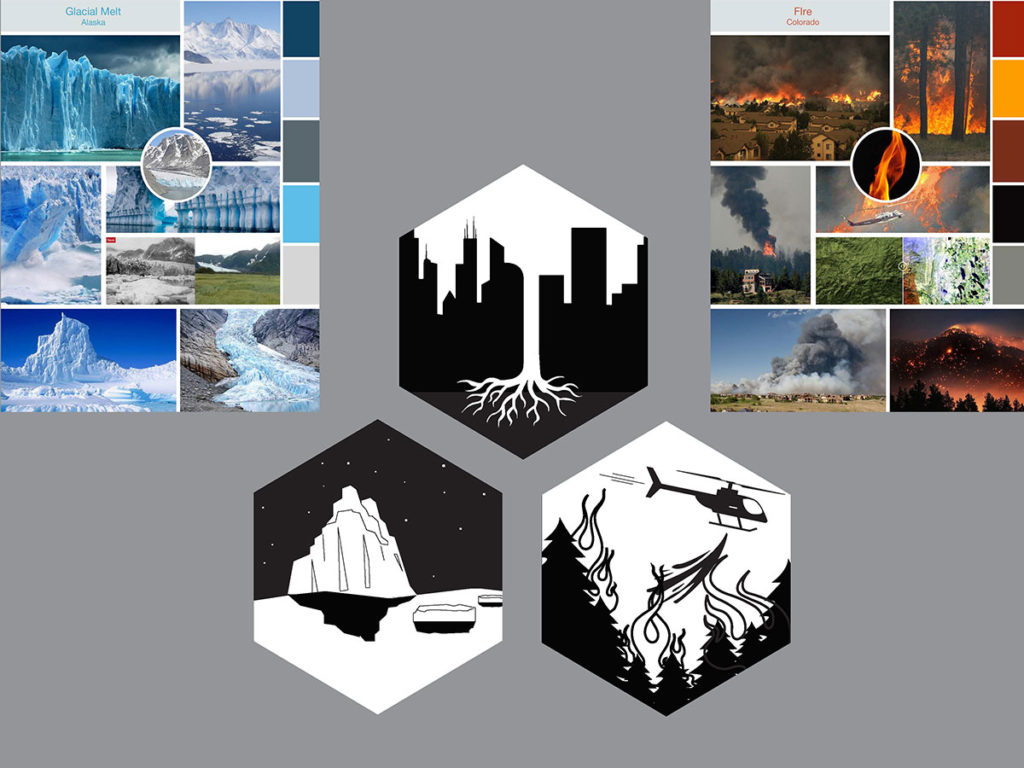
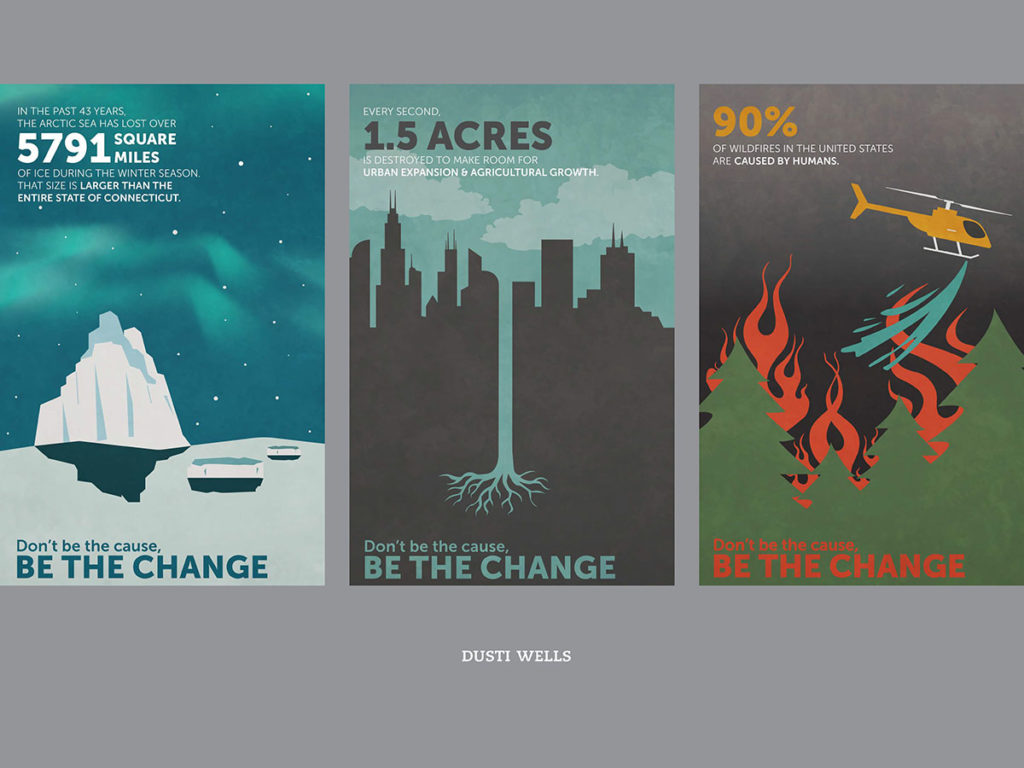
“State of Flux” is a poster design series on climate change issues, showcasing our planet in a state of flux. My presentation will address how students of different illustration skill levels learn about systems-thinking, design principles and the importance of raising awareness of natural and human interventions that led to climate change.

This research was presented at the Design Incubation Colloquium 5.2: CAA 2019 Conference New York on Thursday, February 14, 2019.

On Feminism and Book Publishing, by Meaghan Barry

Meaghan Barry, 2016 Design Incubation Fellow, recently attended the Design Incubation Residency at Haddon Avenue Writing Institute to focus her attention on writing. 

The result of this effort was recently published at AIGA Eye on Design, titled Why are Even “Feminist” Book Cover Designs Still So Sexist?

This article explores the current representation of women in fiction, nonfiction, on book covers, and their consideration as authors, publishers, designers, and readers.

Design Activism & Impact: How Can Principles of Social Impact Assessment Improve Outcomes of Socially Conscious Design Efforts in Graphic Design Curriculum?

Cat Normoyle   
Assistant Professor   
East Carolina University

Visual communication is a powerful tool to affect change, and projects that advocate for change through activist messaging offer opportunities for designers to have impact in their communities. By building awareness around a particular issue, designers are able to engage with community, providing a voice for those that may be under-represented, and foster shifts in behaviors and attitudes. These goals are often assumed successful, but are they actually working to increase awareness and affect change in behavior and attitude?


This paper reviews the social impact assessment (SIA) guidelines within public policy and urban planning to understand social impact evaluation standards in other disciplines. After review, key factors are integrated into a graphic design model and applied in classroom teaching. The model includes creating a strong stakeholder committee for engagement, identifying and defining the goals, defining evaluation items for measurable impact, collecting data, compiling and analyzing results, and drawing conclusion with mitigation recommendations. Exemplified in case studies, projects are shared that introduce students to design and activism as a tool for social change, while also maximizing impact by incorporating assessment strategies throughout the process.

Although it is easy to advocate for social design practices in graphic design curriculum, it is much more challenging to assess these practices within the context of community impact. This paper shares and exemplifies a graphic design process that may be used by design researchers, practitioners, educators, and students to appropriately assess social impact as a major outcome of their work.

This research was presented at the Design Incubation Colloquium 5.2: CAA 2019 Conference New York on Thursday, February 14, 2019.

Design Incubation Colloquium 5.2: CAA 2019 Conference New York

Presentations and discussion in Research and Scholarship in Communication Design at the 107th Annual CAA Conference 2019 in NYC.

Hosted by CAA Affiliated Society, Design Incubation.

Research in Communication Design. Presentation of unique, significant creative work, design education, practice of design, case studies, contemporary practice, new technologies, methods, and design research. A moderated discussion will follow the series of presentations.

Design Incubation Colloquium 5.2: CAA 2019 New York City
Thursday, February 14, 2019

10:30am–12:00pm
New York Hilton Midtown, Second Floor Regent

Abstract submission deadline: August 6, 2018.
Submit abstracts online at Colloquium Abstract Submissions.

The colloquium session is open to all conference attendees.

Co-Moderators

Liz DeLuna
Associate Professor 
Graphic Design
St John’s University

Robin Landa
Distinguished Professor
Michael Graves College 
Kean University

Presentations

10 Case Studies in Eco-Activist Design
Kelly Salchow MacArthur
Associate Professor
Michigan State University

Art, Interaction and Narrative in Virtual Reality
Slavica Ceperkovic
Professor
Seneca College

Form, Focus and Impact: Pedagogy of a 21St-Century Design Portfolio
Peter Lusch
Professor of Practice
Lehigh University, Bethlehem PA

Pitch & Roll: Exploring Low-Risk Entrepreneurship for Student Designers
Jennifer Kowalski
Professor of Instruction
Graphic Arts & Interactive Design
Temple University Tyler School of Art

Questioning the Canon: Discussing Diversity and Inclusion in the Classroom
Sherry Freyermuth
Assistant Professor
Lamar University

Design Activism & Impact: How Can Principles of Social Impact Assessment Improve Outcomes of Socially Conscious Design Efforts in Graphic Design Curriculum?
Cat Normoyle
Assistant Professor
East Carolina University

Cultural Competence for Designers
Colette Gaiter
Professor
University of Delaware

Exploring Narrative Inquiry as a Design Research Method
Anne Berry
Assistant Professor
Cleveland State University

State of Flux
Natacha Poggio
Assistant Professor
University of Houston Downtown

Design Incubation Fellowship 2019

January 10-12, 2019. New York City. A three-day workshop facilitating academic writing and publishing for designers.

The 2019 Design Incubation Fellowship Workshop will be presented by Maggie Taft, Managing Editor of the journal Design and Culture. Events include sessions with Elizabeth Guffey, Professor of Art and Design at SUNY Purchase and author of Posters: A Global History and Retro: The Culture of Revival; Louise Baird-Smith, Commissioning Editor – Design and Photography Bloomsbury Visual Arts; Robin Landa, Distinguished Professor, Kean University; and Brian James, Assistant Professor St. John’s University and as well as guest appearances by a number of authors and publishers. Aaris Sherin is director of the Design Incubation Fellowship program.

2019 Design Incubation Fellowship

January 10 –12, 2019
St. John’s University’s Manhattan campus

Schedule

Day 1—Thursday, January 10th

Introductions with Hosts
9:30am–10:00am

Dan Wong, Co-founder of Design Incubation and Liz DeLuna, Co-chair Design Incubation.

What, Why and How We Write
10am–12:30am
Lunch break
12:30pm–1:30pm
Writing for Journals: Workshop Session
1:30pm–5:30pm

Maggie Taft
Reviews Editor and former Managing Editor
Design and Culture

Day 2—Friday, January 11th

Book Publishing with Bloomsbury Publishing
9:15am–10:00am 

Louise Baird-Smith
Commissioning Editor – Design and Photography Bloomsbury Visual Arts

Break Out Session / Working Groups
10:00am–12:30pm

Facilitated by Maggie Taft, Robin Landa, and Elizabeth Guffey. Participants will work on drafts of their writing in small groups.

Lunch break
12:30pm–1:30pm
Reviews Writing
1:30pm –2:30pm

Brian James
Assistant Professor
St. John’s University

Break Out Session / Working Groups
2:30pm –5:30pm 

Facilitated by Maggie Taft, Robin Landa, and Elizabeth Guffey

Day 3—Saturday January 12th

Break Out Session / Working Groups
9:00am–12:30pm 

Facilitated by Maggie Taft, Robin Landa and Elizabeth Guffey.

Lunch break
12:30pm–1:30pm
Presentations
1:30pm–2:30pm

Robin Landa
Distinguished Professor
Kean University
Author of over twenty books including Nimble: Creative Thinking in the Digital Age.

Elizabeth Guffey
Professor State University of New York
(SUNY) at Purchase
Author of Posters: A Global Perspective, and Retro: The Culture of Revival and founding editor of Design and Culture.

Sharing Session / Wrap Up
3:00pm–5:00pm
Group Dinner (Optional)
6:00pm–8:00pm

Please note: This schedule is tentative and is subject to change.

2019 Design Incubation Fellows

Noopur Agarwal
Assistant Professor
The University of San Francisco

Leon Butler
Lecturer
Dublin Institute of Technology

Anneke Coppoolse
Assistant Professor
The Hong Kong Polytechnic University

Jeanne Criscola
Assistant Professor
Central Connecticut State University

Juan Carlos Rodriguez Rivera
Visiting Faculty
California College of the Arts

Rezan Gassas
Assistant Professor
Imam Abdulrahman Bin Faisal University

Dave Gottwald
Assistant Professor
University of Idaho

Lisa Hammershaimb
Curriculum Designer, Full Time Instructor
Independence University

Christine Hauck
Design Director and Independent Arts Educator

Szilvia Kadas
Assistant Professor
SUNY Cortland

Amy Papaelias
Associate Professor
SUNY New Paltz

Kathy Mueller
Assistant Professor 
Temple University 

Kelly Murdoch-Kitt
Assistant Professor
University of Michigan

Holly Tienken
Assistant Professor
Kutztown University

Greg Turner-Rahman
Associate Professor
University of Idaho

Local Lunch and Coffee Spots

Starbucks
13-25 Astor Pl, New York, NY 10003

Pret A Manger
1 Astor Pl, New York, NY 10003

Le Petite Parisien – Sandwiches / Baguettes
32 E 7th St
New York, NY 10003

Mamoun’s Falafel – Middle Eastern
30 St Marks Pl
New York, NY 10003

V-Spot – Vegan / with Gluten Free options
12 Saint Marks Pl
New York, NY 10003

Bluestone Lane (coffee shop)
51 Astor Pl, New York, NY 10003
(just downstairs in the same building as SJU)

Chopt Creative Salad Co.
51 Astor Pl, New York, NY 10003
(just downstairs in the same building as SJU)

Many tasty Ramen and Sushi places on St. Marks between 2nd and 3rd Ave.

Colloquium 5.3: Merrimack College, Call for Submissions

Call for design presentation abstracts: Deadline Monday, December 31, 2018.

Merrimack College, the Department of Visual and Performing Arts, and Nancy Wynn will be hosting a Design Incubation Colloquium.

Abstract submission: deadline Monday, December 31, 2018.

Design Incubation Colloquium 5.3: Merrimack College will be held on Saturday, March 30, 2019, 10:00am-6:00pm. All are welcome to attend.

Featured Presentation by Elizabeth Resnick.

We invite designers—practitioners and educators—to submit abstracts of design research. Presentations format is Pecha Kucha.

For more details, see the colloquia details and description. Abstracts can be submitted online for peer review.

Storytelling: Balancing the Head, Heart, and Gut

Kelly BishopVP, Product & Design
The Onion
Fusion Media Group

Creating designs is only one step of the process. How we tell the story around our designs and receive feedback is how we move forward and make our designs a reality. This talk will teach you how to harness the power of storytelling by first understanding ourselves and using four key factors to form your story.

This research was presented at the Design Incubation Colloquium 5.1: DePaul University on October 27, 2018.