Maria Smith Bohannon Associate Professor Oakland University
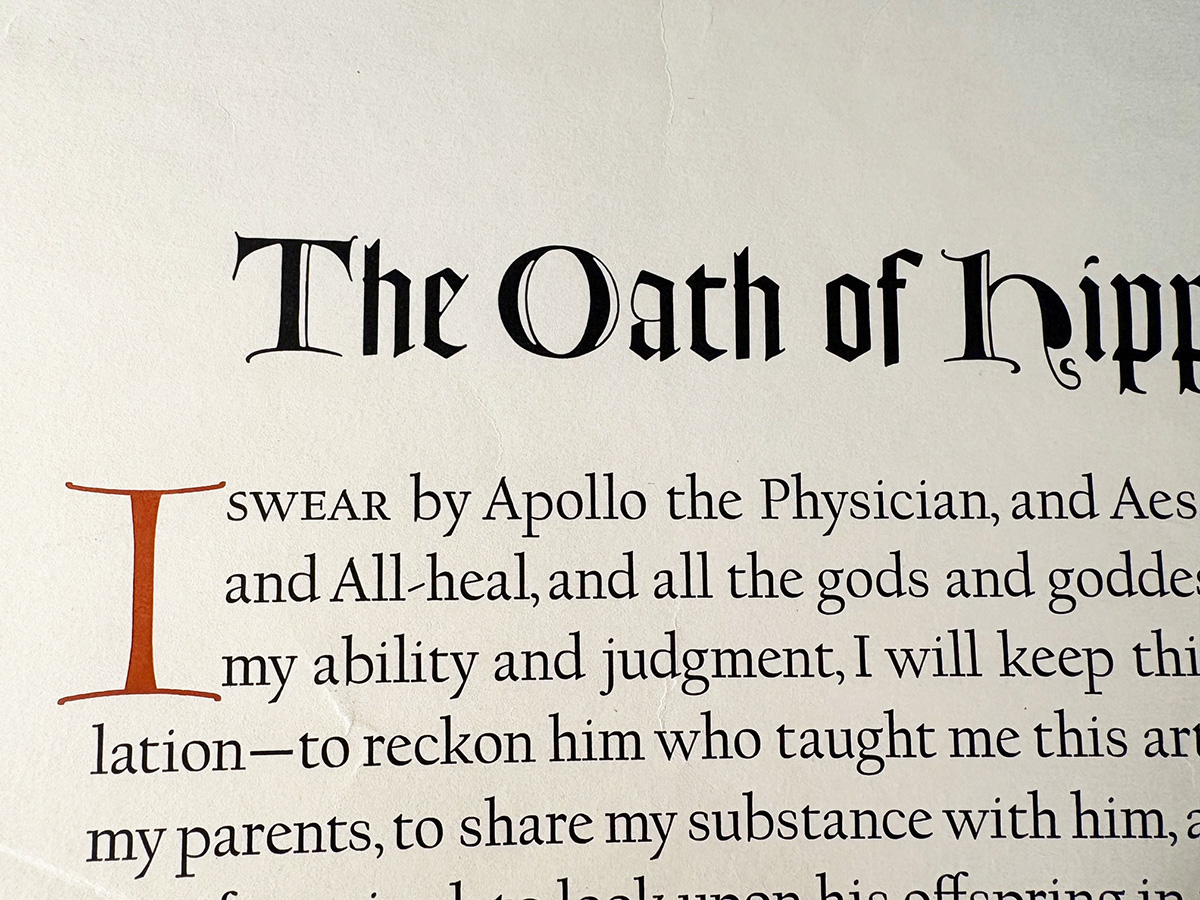
This paper argues that in the early twentieth century, American women played a critical role in shaping the material output and aesthetics of the Private Press movement, which built upon the Arts and Crafts movement and the ethos of William Morris’ Kelmscott Press to reject mass printing in favor of handcraft, high-quality materials, artistic layout, and limited-edition books. Women in the field did it all—typesetting, page layout, proofing, printing, and day-to-day operations—yet, like the legacies of women in the history of typography and book arts more generally, their work is often overshadowed by the eminence of the men with whom they worked. This presentation draws on physical and digital archival artifacts, period articles, and rare books to show how Bertha Goudy (1869-1935) of The Village Press, among others, played a pivotal role in shaping typography and fine printing as works of art in the 20th century. By looking at the professional life of Goudy and other women in the Private Press Movement, their work, and their labor practices, and centering them as authorial rather than peripheral, this paper offers an expanded discussion on women who influenced fine printing, book design, typesetting, and typography—and a few of the women at its core. Analyzing historical and cultural context, this paper contributes to contemporary efforts to diversify and expand design history.
image credit: Goudy Collection Broadside #115, Rare Book and Special Collections Division of the Library of Congress, Washington, DC.
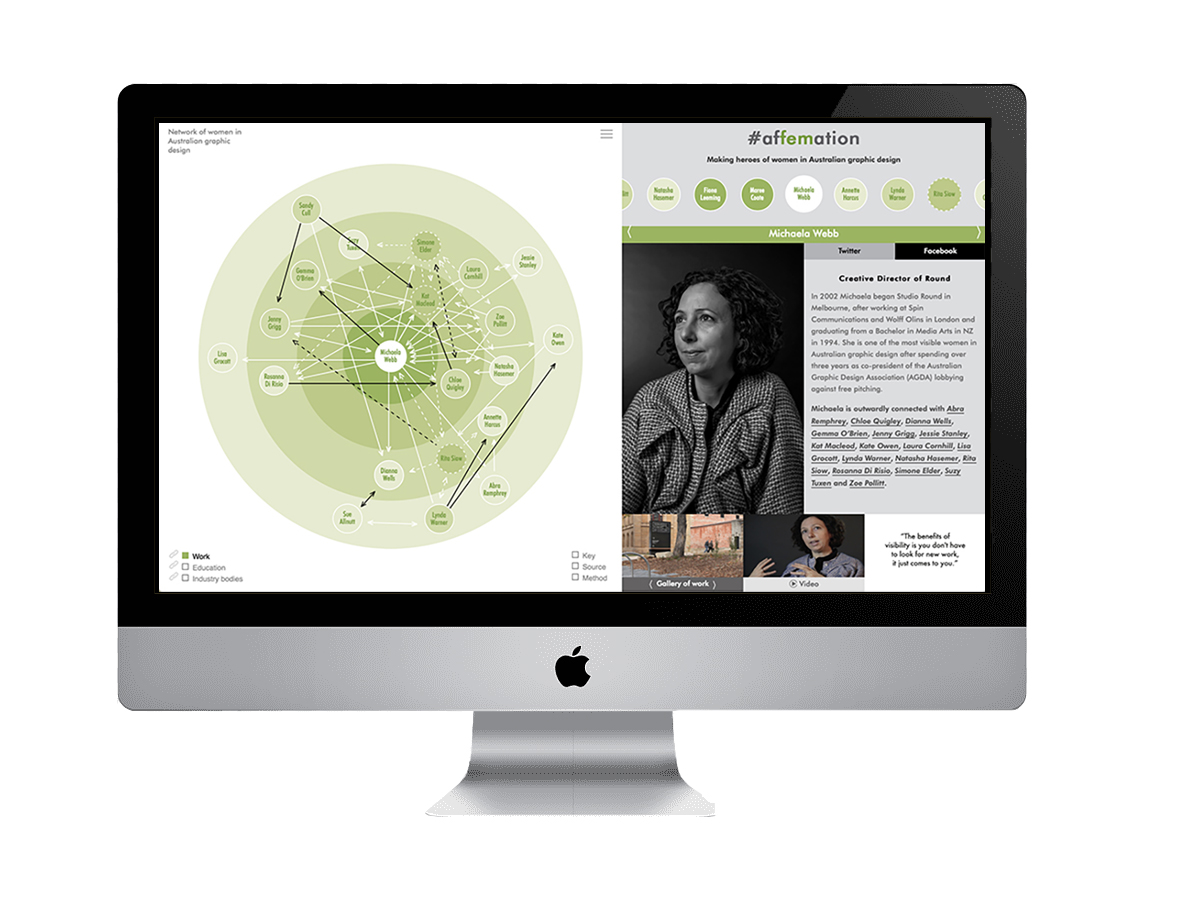
The afFEMation.com online, interactive, archive addresses the previous invisibility of women in the history of women in Australian graphic design.1 This problem was demonstrated in the low representation of women in the Australian Graphic Design Associations (AGDA) Hall of Fame which had only one-woman inductee prior to the site’s launch. However, since the launch three more women’s biographies have been added, one which cites afFEMation.com.2 The data set demonstrating this was published in the appendix of The View from Here.3
CONTRIBUTION
#afFEMation – demonstrating a framework for gender-equitable histories, is an article outlining a methodological innovation that emerged from an analysis of the site’s build.4 This framework consists of five steps designed to assist researchers, historians and archivists consider gender-equitable histories. The steps include systemized privilege checking and the prioritizing of recent histories.
AIM
Filling the gendered gaps in Australia’s graphic design history and increasing the visibility of women was the aim of afFEMation.com. Right through the UK, US and Australia women are graduating from graphic design qualifications in a high majority.[5] afFEMation.com was designed to make this new knowledge available as accessible and sharable portraits, biographies, galleries of work, videoed interviews and visualised networks.
SIGNIFICANCE
The significant and interactive design of afFEMation.com was reviewed by HOW Magazine as one of the ‘10 Best Design Websites’.6 The site was also launched at the Women in Design symposium and reviewed on-line as “thought-provoking”.7 Design industry blogs also published articles demonstrating the interest in equitable design histories, citing afFEMation.com.8
afFEMation.com was a collaborative project which profiled Michaela Webb, Annette Harcus, Lynda Warner, Rita Siow, Lisa Grocott, Abra Remphrey, Dianna Wells, Sandy Cull, Sue Allnutt, Fiona Sweet, Gemma O’Brien, Jenny Grigg, Jessie Stanley, Kat Macleod, Simone Elder, Chloe Quigley, Kate Owen, Laura Cornhill, Rosanna Di Risio, Suzy Tuxen, Zoe Pollitt, Natasha Hasemer, Fiona Leeming and Maree Coote. Research, writing, art direction, and design was by Jane Connory, photography, sound, and image recording by Deborah Jane Carruthers and Carmen Holder, assistance from William Aung, and website development by Danni Liu. Jane Connory (2017) “#afFEMation. Making heroes of women in Australian graphic design”, http://affemation.com (website accessed April 9, 2020). See more in Figures 1-12 in Documentation of the work itself. For evidence of the public launch at the Women in Design conference in Design Tasmania, 2017, see Document1_WomenInDesign.pdf in Other Uploaded Documents.
The AGDA Hall of Fame began in 1992 and was published in the AGDA award compendiums before being compiled on their current website. afFEMation.com is cited in Graham Rendoth (2018) “Annette Harcus”, https://www.agda.com.au/hall-of-fame/annette-harcus (accessed April 9, 2020). See more in Figure 13 in Evidence of Publication and Significance.
https://www.howdesign.com/web-design-resources-technology/website-and-responsive-design/top-10-sites-for-designers-october-2017-edition/ (attempted accessed April 9, 2020). Unfortunately, this online magazine has since gone into receivership and this link is no longer live.
Dr Jane Connory has a PhD from Monash University, Art, Design, and Architecture, which worked towards a gender-inclusive history of Australian graphic design. She was awarded a Master of Communication Design (Design Management) with Distinction from RMIT and has been a practising designer in the advertising, branding, and publishing sectors, in both London and Melbourne, since 1997. She has also lectured in and convened communication design programs in both the VET and Higher Education sectors since 2005. Alongside her research exploring the visibility of women in design, she is currently a lecturer in Design Futures and Design Strategy at Swinburne University of Technology.
Thank you to all the women profiled on the website including: Michaela Webb, Annette Harcus, Lynda Warner, Rita Siow, Lisa Grocott, Abra Remphrey, Dianna Wells, Sandy Cull, Sue Allnutt, Fiona Sweet, Gemma O’Brien, Jenny Grigg, Jessie Stanley, Kat Macleod, Simone Elder, Chloe Quigley, Kate Owen, Laura Cornhill, Rosanna Di Risio, Suzy Tuxen, Zoe Pollitt, Natasha Hasemer, Fiona Leeming and Maree Coote.
Photography, sound & image recording: Deborah Jane Carruthers & Carmen Holder, assistance from William Aung.
Website development: Danni Liu & ClickTap Digital Media.
Research supervision: Pamela Salen & Gene Bawden.
Research assistants: Rachael Vaughan, Luke Robinson, Kristy Gay & Nick Fox.