RJ Thompson
Associate Professor
University of Pittsburg
The rapid evolution of generative AI has reshaped professional practice in marketing, communications, and design, introducing both opportunities for efficiency and challenges of adaptation. While organizations increasingly adopt AI—55% already using it for marketing and communications according to Gartner—many professionals encounter decision and adaptation paralysis amid an overwhelming number of tools and pressures to “adapt or perish.” This presentation argues that the essential question is not whether AI can increase the quantity or incremental quality of creative work, but rather how it can sustain and expand human creativity in meaningful ways.
Our inquiry centers on divergent thinking as a method for transforming AI outputs into catalysts for original work. Techniques such as inverting AI-generated story beats, reframing prompts into yes/no pathways, and intentionally opposing machine-suggested structures create conditions for unique, non-homogenous outcomes. These approaches resist the creeping uniformity of AI-produced content, which risks reducing professional output to predictable patterns and disengaging audiences.
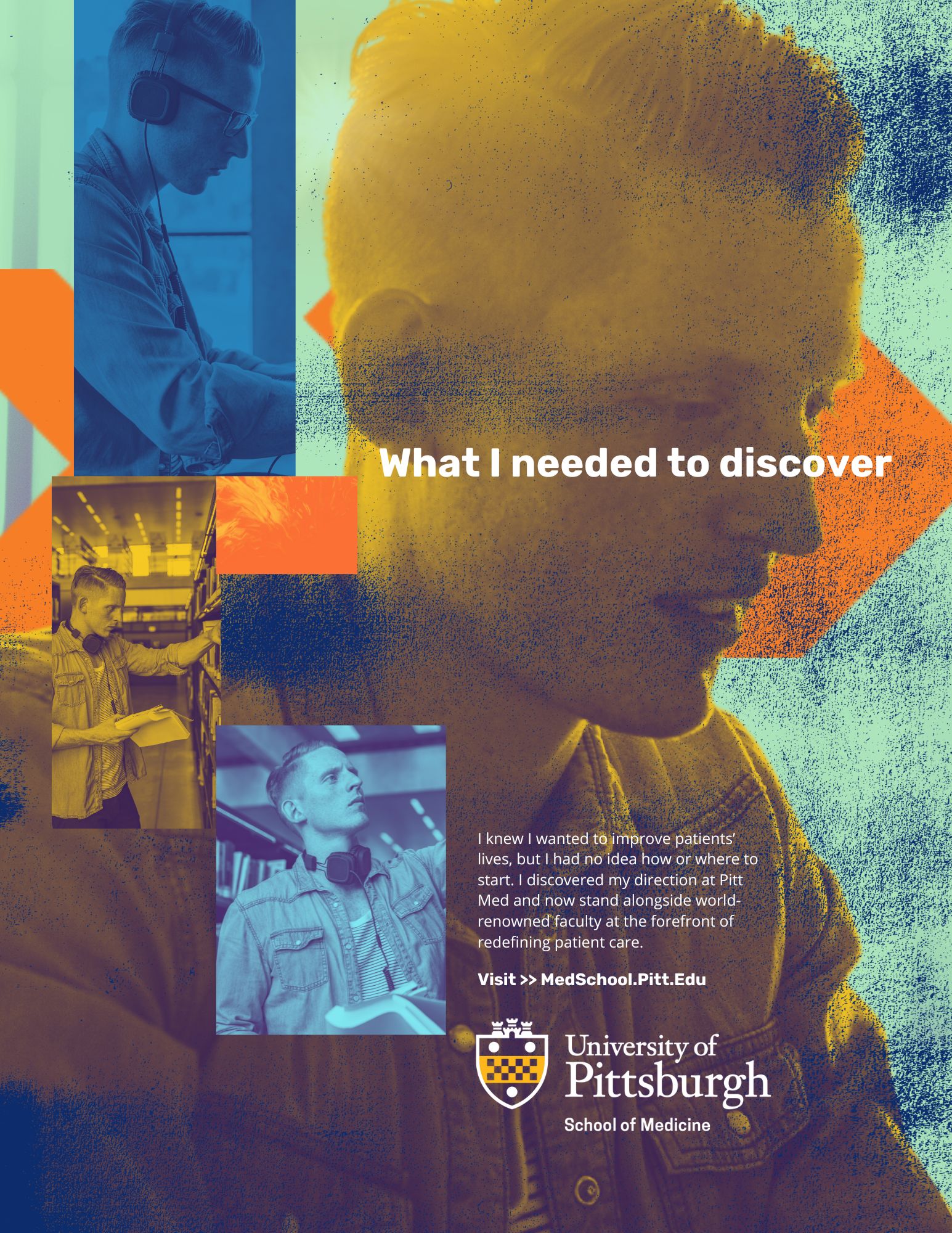
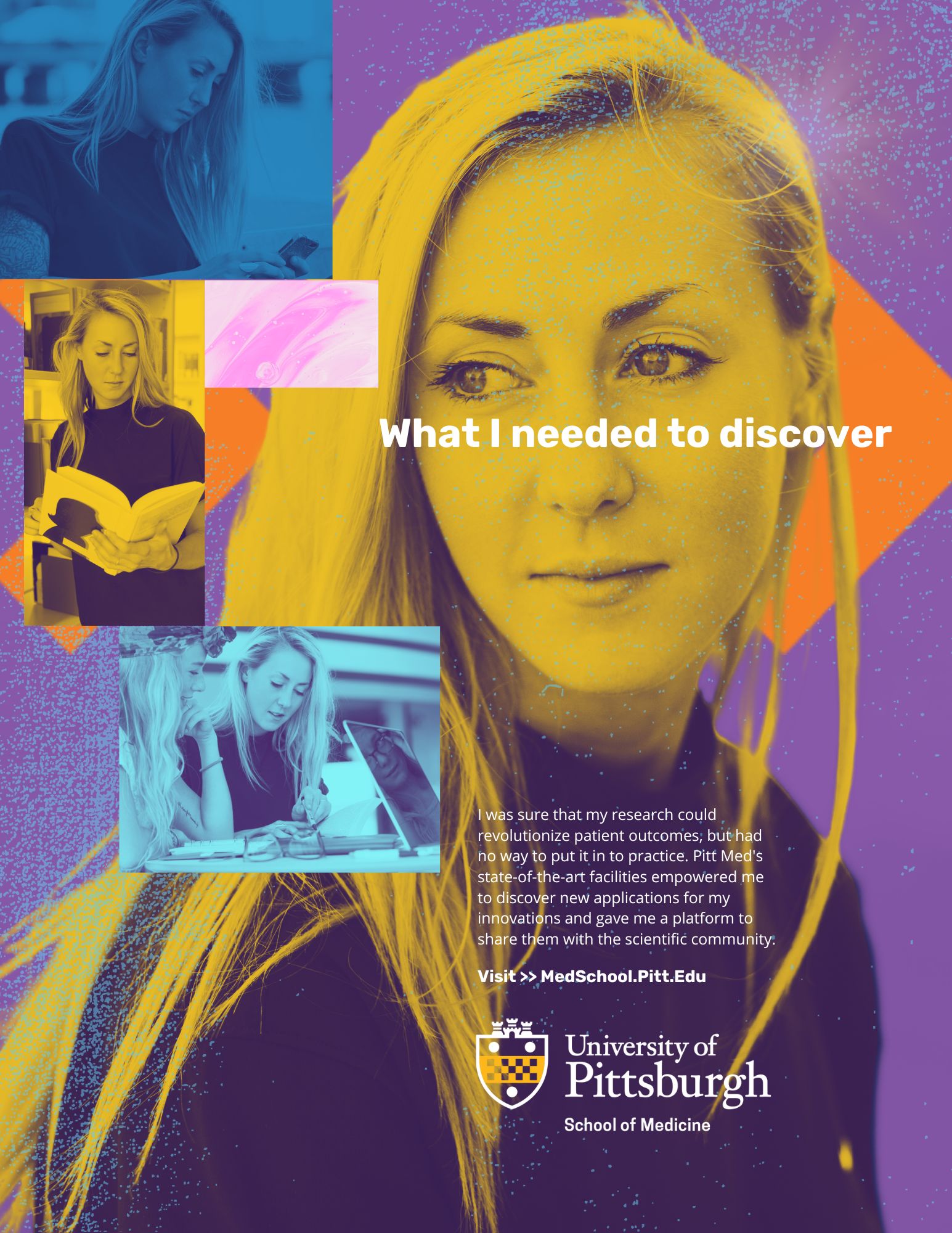
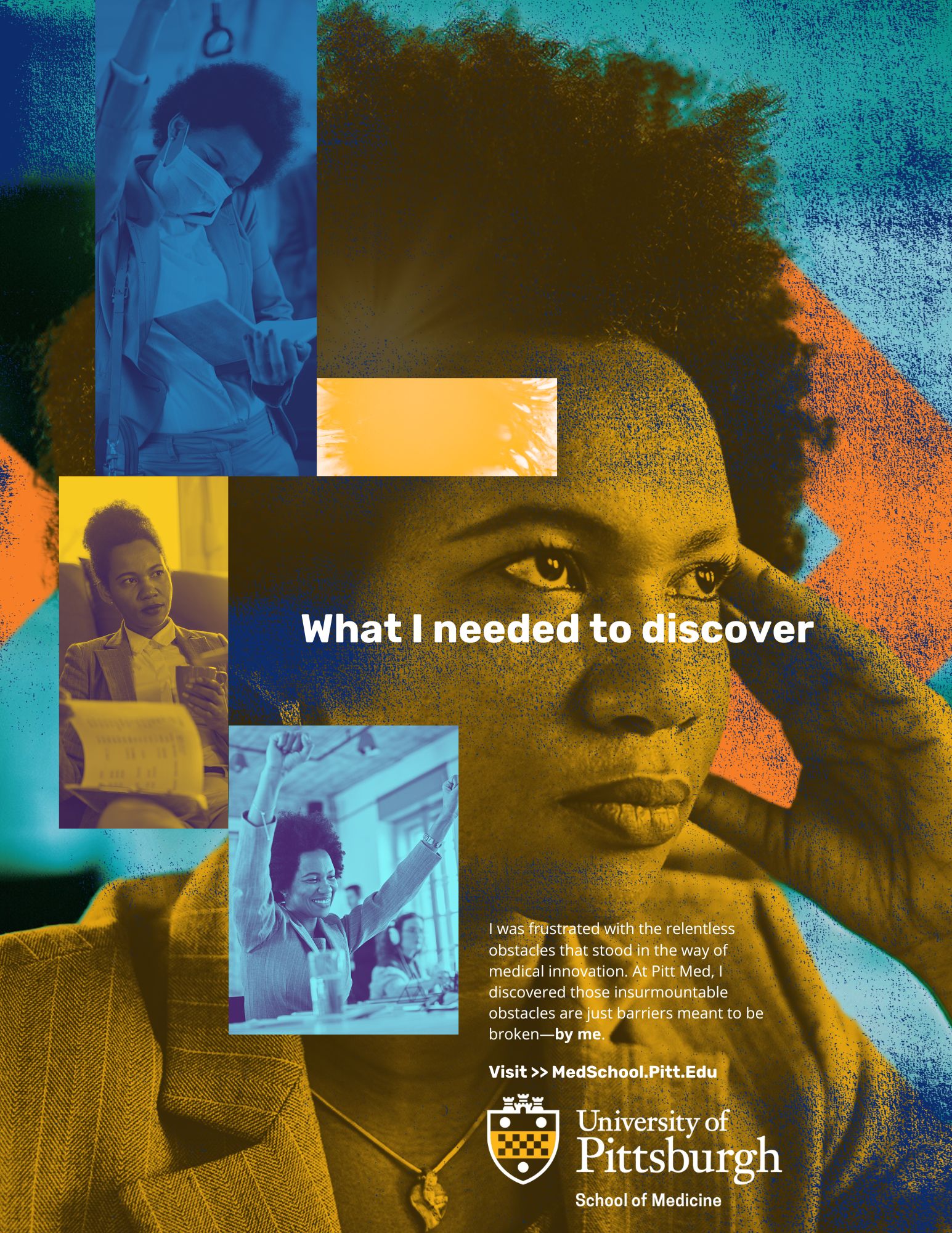
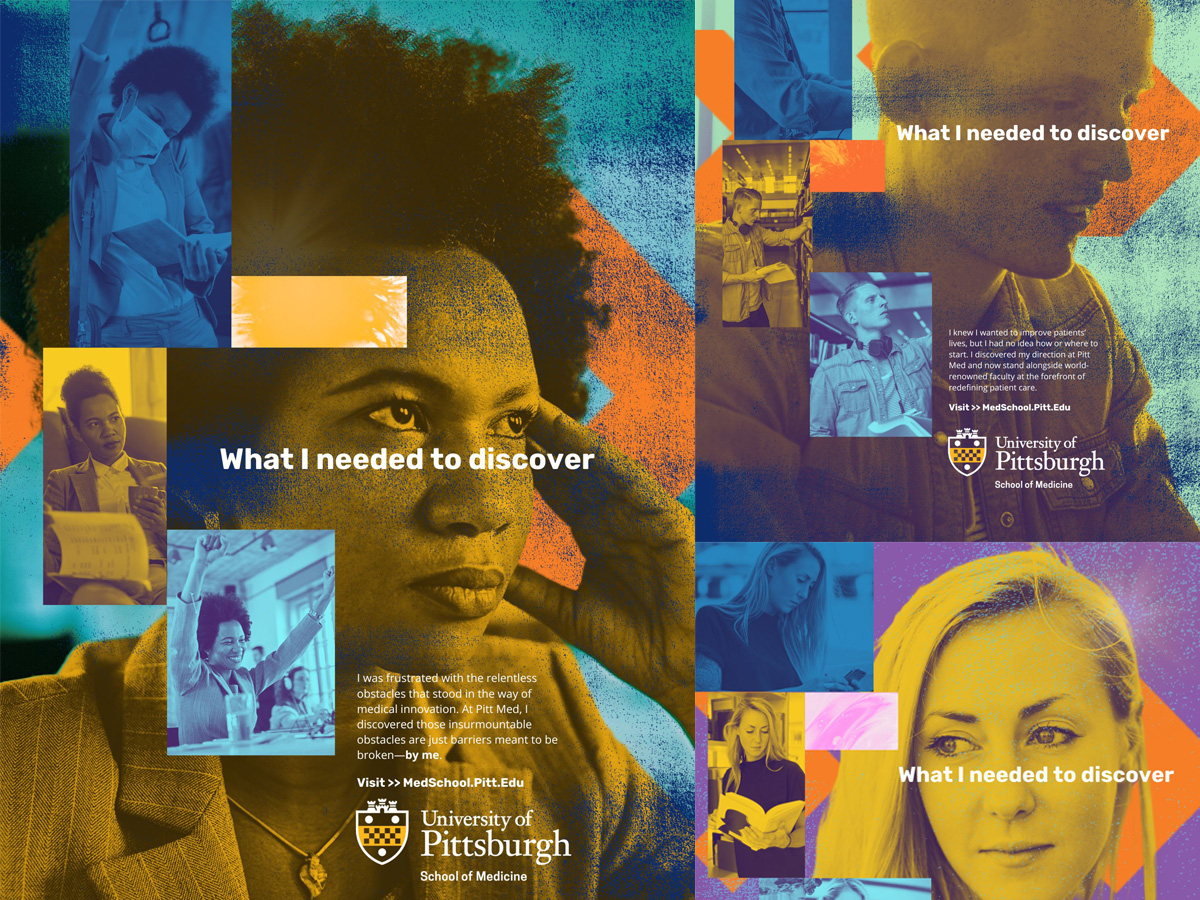
To ground these concepts, we present The Keywork, a project conducted by the University of Pittsburgh’s Health Sciences Strategic Communications team. Leveraging ChatGPT for qualitative data analysis, the project processed five years of institutional content to identify brand pillars and generate insights that freed capacity for human-centered creativity. Here, AI served not as a replacement but as an amplifier—streamlining analysis so designers and communicators could focus on innovation, resonance, and impact.
Our findings suggest that the key to thriving with AI is to treat it as an interpretive and analytical partner, not a creative substitute. By adopting divergent thinking practices and positioning AI as a tool for inspiration and capacity optimization, creative professionals can ensure that their work remains unique, resonant, and enduring in an increasingly AI-saturated landscape.
This design research is presented at Design Incubation Colloquium 12.1: Virtual Online on Friday, November 14, 2025.