
Andrea Hempstead
Associate Professor
Texas A&M University-Corpus Christi
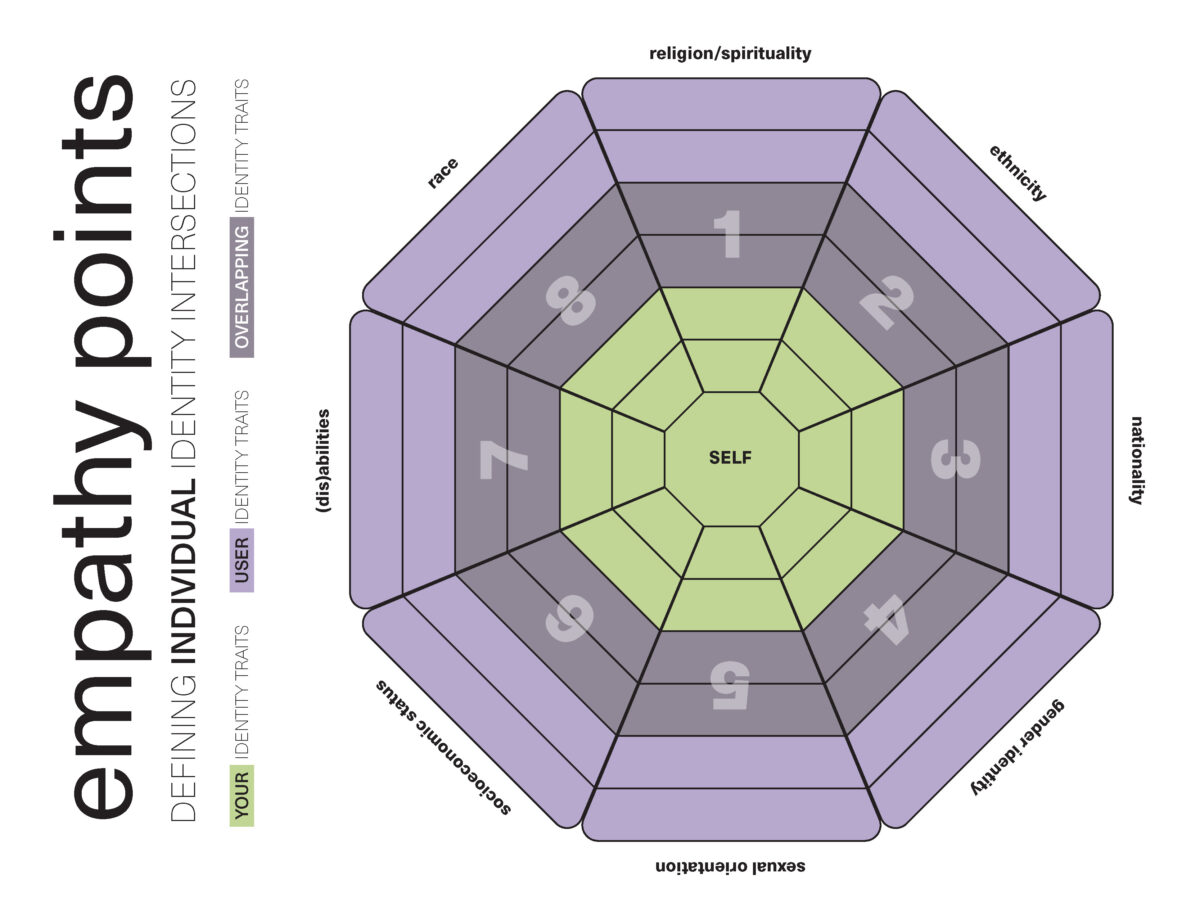
This presentation reviews practical tools and methods for guiding students through an understanding of identity and bias definitions and connecting these concepts to the design process. Delivered in a workshop format, the approach combines identity reflection with design methods that foreground empathy and critical awareness. A central focus is the Empathy Points method, which challenges conventional assumptions about empathy in design. This method argues that genuine empathy requires shared lived experiences, applying this idea through the identification of overlapping social identity traits between designers and users. By leveraging the diverse experiences of design teams, group members can establish more authentic connections with users and increased inclusive solutions, particularly in contexts where students lack direct access to end users.
The workshop also emphasizes how implicit bias shapes design interpretations. Participants are guided through an examination of their biases in relation to their social identities. They assess how these align or diverge from user identities and connect the impact of user identities to the design problem. The process concludes with creating a strategic plan, by using team empathy points effectively while continuously checking for bias throughout the design process. Workshop outcomes will be revealed via classroom examples, results, and student reflection.
The integration of identity, empathy, and bias into design education equips students with tools to critically engage with users’ perspectives while remaining mindful of their own positionalities. By framing empathy as relational and grounded in shared experience, the Empathy Points method expands the potential for inclusive and socially responsive design practices.
This design research is presented at Design Incubation Colloquium 12.2: Annual CAA Conference 2026 (In-person only) on Thursday, February 19, 2026.